Aligning Regulations Across Borders: Transformations in Digital Table Game Verification Protocols
Zara Keller · Aug 13, 2026
Aligning Regulations Across Borders: Transformations in Digital Table Game Verification Protocols
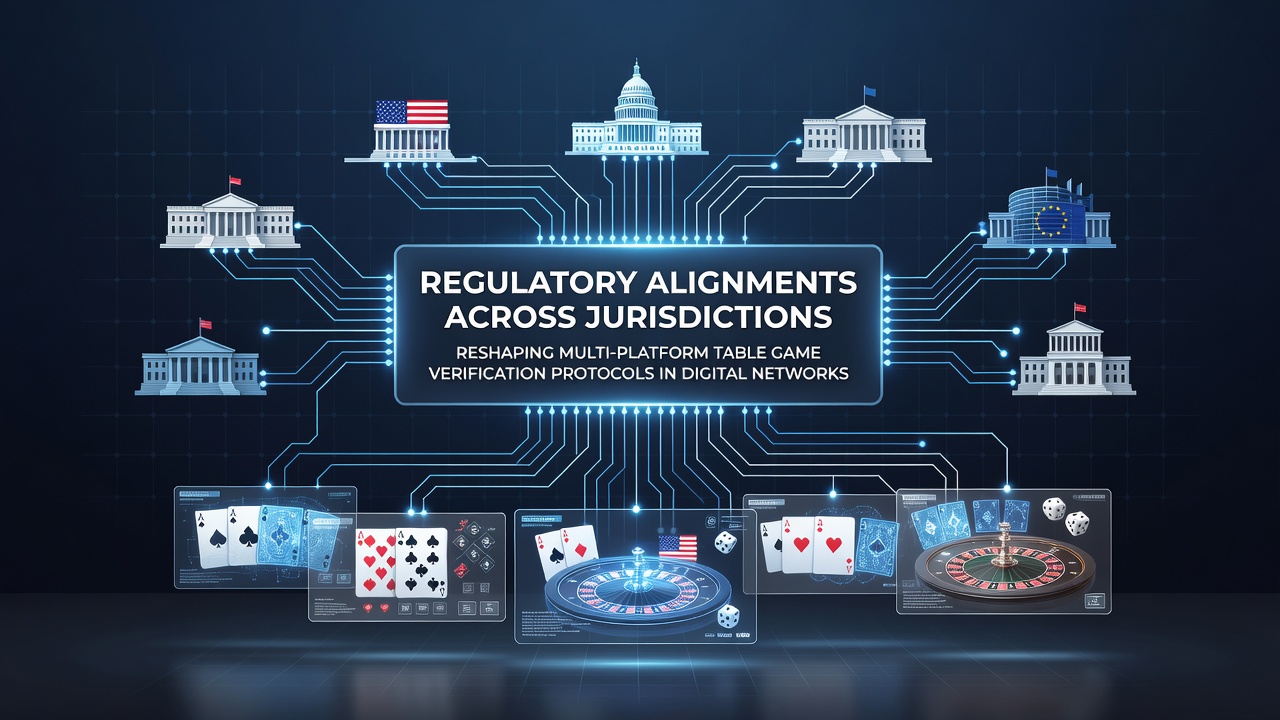
Regulatory alignments across multiple jurisdictions continue to drive significant updates to verification protocols for table games on digital networks, with changes accelerating through 2026 as platforms adapt to shared standards for player authentication, game integrity checks, and cross-border data exchanges. These shifts affect how operators handle real-time validation for games such as blackjack, roulette, and poker, requiring synchronized systems that meet requirements from bodies in North America, Europe, and Asia-Pacific regions.
Data from industry reports indicates that jurisdictions are increasingly adopting common frameworks for multi-platform verification, reducing discrepancies that previously complicated operations for operators managing users across state lines or international borders. According to the American Gaming Association, recent interstate agreements have streamlined authentication processes, allowing platforms to apply unified checks for table game sessions while maintaining compliance with local licensing rules.
Core Elements of Verification Protocol Updates
Multi-platform table game verification now incorporates layered protocols that combine device fingerprinting with regulatory-mandated identity confirmation steps, a development that emerged from alignments between North American and European standards. These protocols require platforms to verify player locations, account statuses, and game fairness metrics in unified formats that satisfy multiple oversight bodies simultaneously, and this integration reduces redundant checks while preserving audit trails for each jurisdiction involved.
Observers note that table game sessions on digital networks face particular scrutiny because outcomes depend on live dealer feeds or random number generators, both of which must pass synchronized integrity tests. Research indicates platforms now embed automated reconciliation tools that flag discrepancies against shared regulatory benchmarks, and these tools operate continuously to support compliance across regions without interrupting gameplay flows.
Regional Examples and Implementation Patterns
In practice, operators in markets aligned through data-sharing pacts have reported faster approval cycles for new table game variants, since verification protocols already meet baseline criteria recognized by participating authorities. European Commission guidelines on digital services have influenced similar requirements in Australian and Canadian frameworks, creating pathways where a single verification module can satisfy multiple regional audits when configured correctly.
One study revealed that platforms handling cross-jurisdictional traffic now allocate dedicated resources to maintain protocol compatibility, with updates rolled out quarterly to reflect evolving alignment terms. Figures reveal increased investment in secure API connections that transmit verification data between systems, ensuring that table game results remain consistent regardless of the user's registered location.
Technical Adjustments and Data Handling
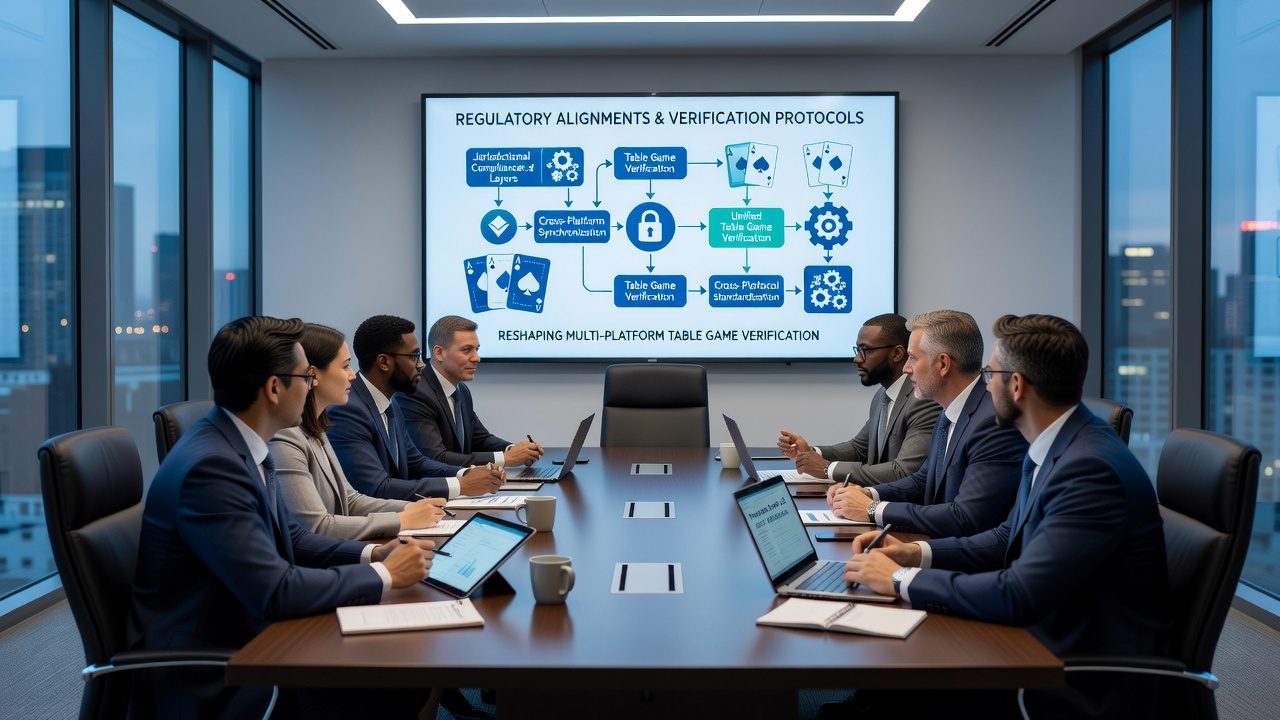
Technical teams implement these changes through modular verification engines that separate core authentication from jurisdiction-specific add-ons, allowing quick toggles when users cross regulatory boundaries. And this modular approach supports the growing number of multi-state and multi-country operators who must track eligibility for progressive table game features tied to verified accounts.
Platforms also integrate real-time reporting functions that feed compliance data directly to aligned regulators, cutting down on manual submissions. What's interesting is how these reporting streams now include granular logs for every table game hand or spin, satisfying transparency demands while operating within unified data formats agreed upon across borders.
Challenges in Synchronizing Protocols
Yet synchronization does not eliminate all hurdles, since differing timelines for regulatory updates can leave temporary gaps where protocols diverge. Platforms address this by maintaining version-controlled systems that revert to stricter local rules when alignments lag behind, and this practice keeps operations stable even during transition periods.
Experts have observed that smaller operators sometimes partner with larger networks to share verification infrastructure, spreading the cost of maintaining compatibility across multiple jurisdictions. Such collaborations appear in recent announcements from trade groups tracking digital gaming trends through mid-2026.
Conclusion
Regulatory alignments continue reshaping verification protocols for multi-platform table games by establishing shared technical and procedural standards that platforms must follow. These developments support consistent game integrity across digital networks while accommodating regional variations, with ongoing adjustments expected as additional jurisdictions formalize their participation in cross-border frameworks.