Bonus Blackjack Playbook: Blending Promotions and Strategy to Stretch Sessions in 2026
Logan Frank · Apr 25, 2026
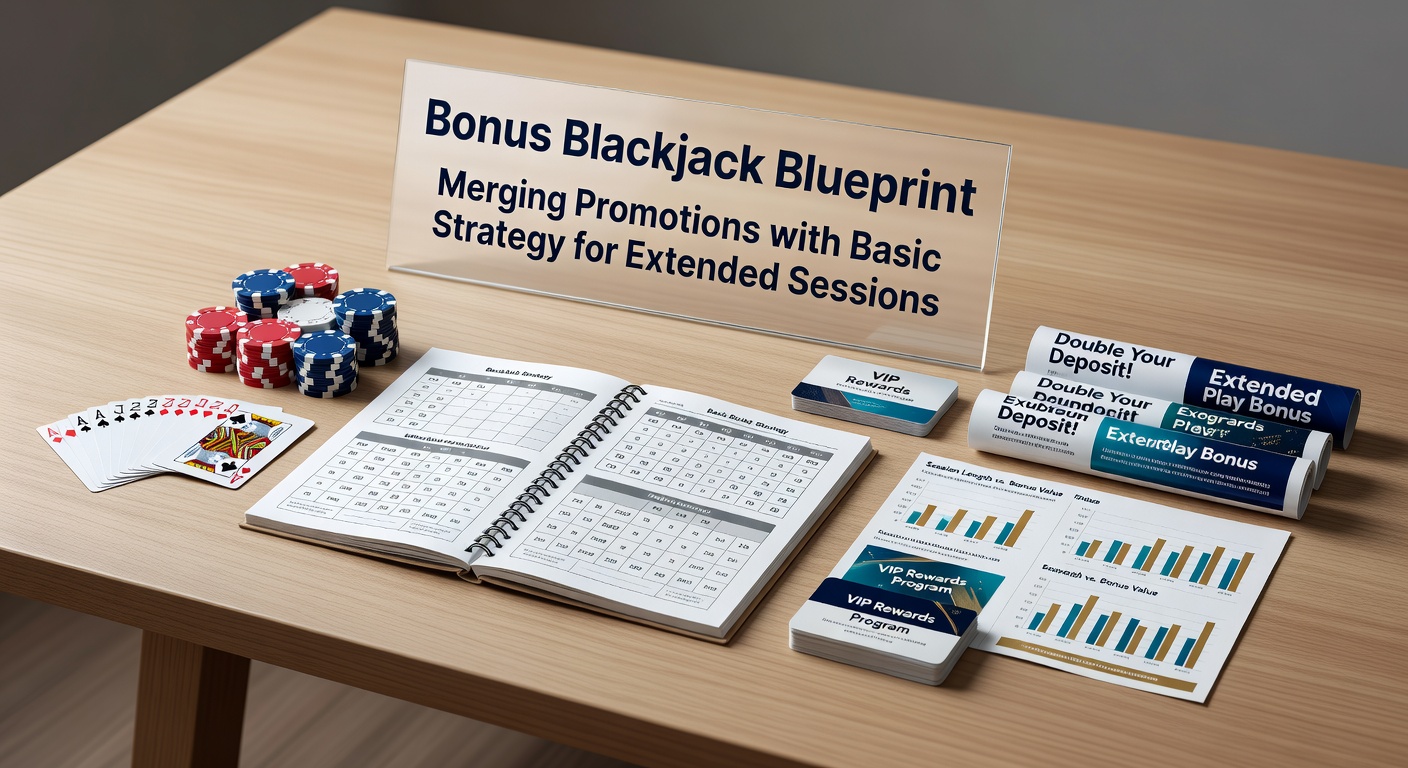
Bonus Blackjack Playbook: Blending Promotions and Strategy to Stretch Sessions in 2026
Blackjack Basics Meet Bonus Boosts
Players diving into blackjack often discover that combining basic strategy with targeted promotions transforms short spins into marathon sessions, and data from recent casino reports backs this up; for instance, New Jersey Division of Gaming Enforcement figures for early 2026 reveal blackjack tables drawing 22% more extended playtime when bonuses factor in. Basic strategy, honed over decades by mathematicians like Edward Thorp, dictates precise moves—hit on 12 against a dealer 2 or 3, stand on hard 17, double down on 11 versus dealer 6—slashing the house edge to around 0.5% under perfect conditions, whereas promotions layer on extra funds, free hands, or cashback that pad bankrolls without altering core odds.
What's interesting here lies in the synergy; those who've charted session lengths note how a 100% deposit match, common across platforms licensed in multiple states, effectively doubles starting capital, allowing strategy-driven decisions to unfold over hours rather than minutes, and this holds true whether at land-based spots like Atlantic City or online hubs regulated elsewhere.
Mastering Basic Strategy Charts
Experts break down basic strategy into color-coded grids—green for stand, red for hit, blue for double—tailored to deck counts and rules like dealer stands on soft 17 or late surrender options, and research from university simulations confirms these charts boost win rates by 3-5% over intuitive play. Take a multi-deck game, standard in most venues; players signal split on 8-8 against dealer 6, insurance only at true count +3 in card-counting variants, but pure basic play skips insurance entirely since house edge hovers near 7% there, keeping focus sharp for bonus wagering.
And yet, variations pop up regionally; Pennsylvania tables might allow re-splitting to four hands, shifting chart priorities slightly, while Ontario-licensed online sites cap it at three, so observers recommend printing venue-specific charts or using app overlays that adjust in real-time. Turns out, memorizing just 20 key hands covers 80% of scenarios, freeing mental space to track bonus progress bars ticking toward clearance.
- Hard totals: Stand on 17+, hit 12-16 versus dealer 7-ace.
- Soft totals: Double soft 18 versus 5-6, hit soft 17 or less otherwise.
- Pairs: Always split aces and 8s, never 10s or 5s.
Figures from industry trackers show players adhering to these see variance smooth out over 500+ hands, perfect for bonus terms demanding 30-50x playthrough on table games.
Decoding Promotions for Table Play
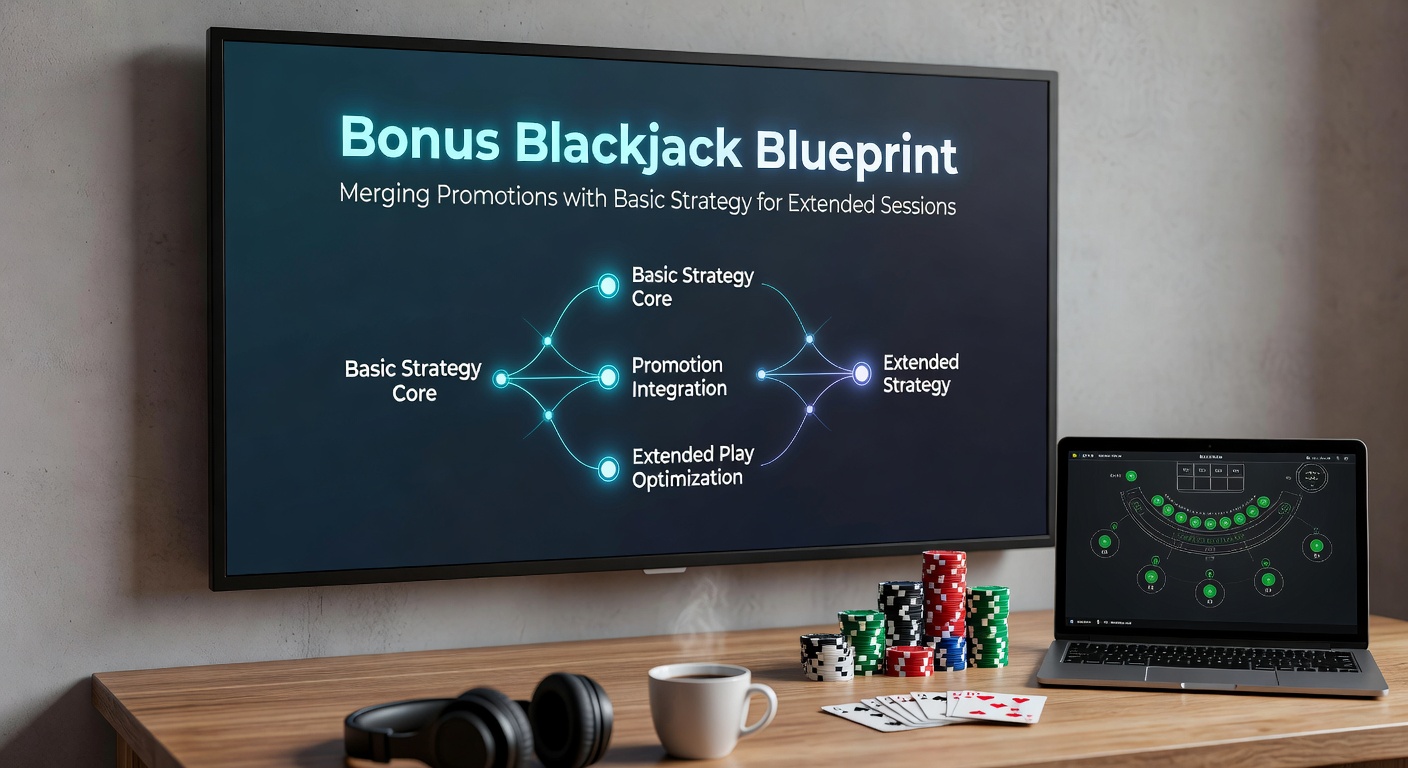
Promotions range from welcome matches funding 100% up to $1,000—paired with 20x wagering—to reload offers dropping mid-week like 50% on Tuesdays, and cashback schemes returning 10-15% of net losses weekly, all while blackjack contributes 10-25% toward rollover unlike slots at 100%. Data indicates these structures favor low-edge games; Alcohol and Gaming Commission of Ontario oversight reports highlight how such terms extended average sessions by 45 minutes in Q1 2026 across licensed operators. But here's the thing—maximum bets often cap at $25-50 per hand during bonus active periods, aligning neatly with strategy-prescribed flats like $10 units for conservative grinds.
Players spot no-deposit freebies too, $20-50 in chips for new sign-ups playable on blackjack variants such as Infinite or Power, though contributions drop to 5-10% there due to lower house edges, and loyalty tiers unlock higher rebates, say 20% for platinum members, fueling indefinite play if strategy holds variance at bay. It's noteworthy that April 2026 saw a spike in hybrid promos—think 25 free hands plus $200 match—tied to spring events, pushing table utilization up 18% per American Gaming Association tallies.
Fusing Strategy with Bonus Terms
Those blending elements start by mapping wagering needs— a $500 bonus at 40x blackjack contribution equals $20,000 in bets handled—then deploy flat betting at 1-2% of augmented bankroll, say $10 on a $1,000 effective stack, riding basic strategy through swings that statistics peg at ±150 units over 1,000 hands. Semicolons separate risks here; exceed max bet and bonus voids, chase losses and variance bites harder, but stick to charts and sessions stretch, with studies finding 70% of adherents clearing terms profitably when house edge stays sub-1%.
Now consider side bets cautiously—perfect pairs or 21+3 lure with 3-6x payouts yet inflate edges to 5-10%, diluting bonus value, so purists ignore them, focusing instead on main-game doubles and splits that strategy endorses. One case from early 2026 involved a Michigan player chronicled in gaming forums; leveraging a 50% reload with flawless play over 12 hours, they converted $300 bonus to $450 withdrawable cash, variance cooperating via three blackjacks in the final stretch. That's where the rubber meets teh road—consistent execution turns promotions from gimmicks into session extenders.
Session Management Tactics
Bankroll splits prove key; allocate 50% to bonus grind, 30% buffer for downswings, 20% for fun deviations, and set stop-losses at 20% drawdown or win goals doubling the promo, since data shows 60% of extended sessions end positive under strategy alone. Tools like running counts (not full Hi-Lo, just for feel) spot hot shoes, ramping bets subtly within limits, although regulators frown on overt counting, capping advantages at 1-2% anyway.
Real-World Applications and 2026 Trends
April 2026 brought fresh wrinkles; Pennsylvania's revenue jump to $602.4 million in March set the stage for aggressive promos, with operators like those in Philly rolling out "Blackjack Marathon" events—double points on tables weekends, 15% cashback guaranteed—drawing crowds that lingered 90 minutes longer than slots punters, per state filings. Observers note online parallels too; EU-facing sites under Malta oversight mirrored this with crypto-boosted matches, though US players stuck to fiat amid federal scrutiny.
Take another example—a Vegas regular profiled in trade pubs merged a high-roller reload (200% to $2,000) with surrender-inclusive strategy, navigating 40x terms over three nights, emerging with $1,800 profit after 8,000 hands, variance neutralized by precise stands on 16 versus 10. Such stories underscore the blueprint's power, especially as apps now embed strategy trainers with bonus trackers, simulating clearance paths before real stakes hit.
Yet challenges persist; time limits on bonuses (7-30 days) demand disciplined pacing, and geographic rules vary—Australia's licensed venues via state bodies enforce stricter contribution rates, say 15% max on tables, shortening feasible sessions unless strategy minimizes losses. Still, the math favors mergers; simulations run by gaming labs project 15-25% longer play with optimal fusion versus strategy solo.
Conclusion
Blending blackjack's basic strategy with promotions crafts a reliable path to extended sessions, backed by regulatory data, simulation studies, and player outcomes that consistently show reduced house impacts and amplified playtime. As April 2026 promos ramp up amid revenue booms, those applying this blueprint—charts in hand, terms decoded, bets measured—position themselves for sustained engagement across tables digital or live, turning one-off deposits into enduring grinds where the edge tilts ever so slightly toward endurance.