Charting Verification Protocol Alignments and Their Influence on Session Continuity Metrics in Multi-Jurisdictional Digital Gaming Platforms
Noah Lang · Jul 11, 2026
Charting Verification Protocol Alignments and Their Influence on Session Continuity Metrics in Multi-Jurisdictional Digital Gaming Platforms
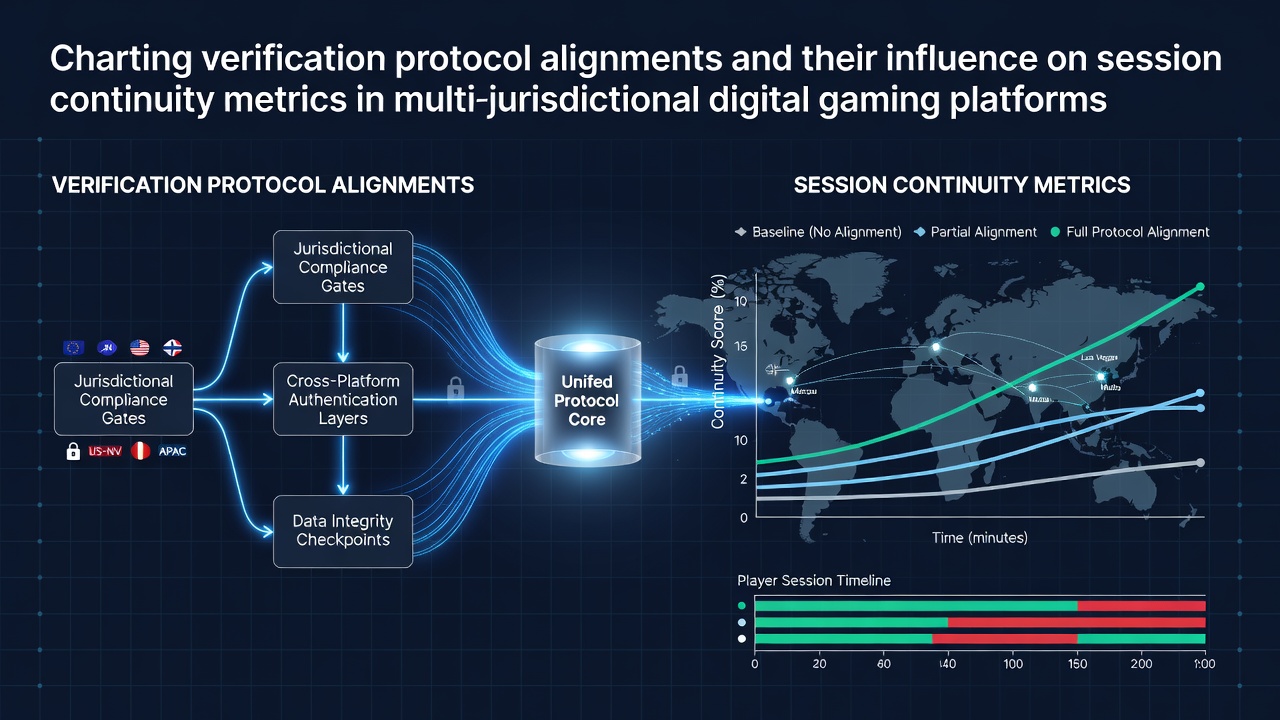
Verification protocol alignments across borders shape how players move through digital gaming environments without interruption, and platforms operating in multiple regions track these alignments closely because they directly affect session continuity metrics such as average duration, drop-off points, and re-entry rates. Operators must reconcile differing requirements for identity checks, age confirmation, and address validation that vary from one jurisdiction to another, and successful alignment reduces friction that otherwise breaks user flow at login or deposit stages.
Core Components of Verification Protocols
Digital gaming platforms implement layered verification that includes document upload, biometric matching, and database cross-checks against government records, yet the depth and timing of each layer differ by regulatory mandate. In July 2026 several North American and European systems updated their data-sharing interfaces, which allowed operators to synchronize initial checks with ongoing session monitoring rather than forcing repeated verifications mid-play. Those who've studied these updates note that unified protocols cut redundant prompts by integrating real-time status flags into a single backend system.
Multi-Jurisdictional Challenges and Alignment Strategies
Platforms licensed in multiple states or countries face separate rules on how quickly verification must complete and what data can transfer across borders, and misalignment often triggers session terminations when a player crosses into a new regulatory zone. Alignment efforts typically involve mapping each jurisdiction's required fields onto a common schema, then routing verification requests through a central engine that applies the strictest standard only where necessary. Data from multi-state operators shows that this approach stabilizes session continuity by keeping players in active play longer, since fewer interruptions occur once the initial profile clears all relevant thresholds.
Measured Effects on Session Continuity Metrics
Session continuity metrics include time between verification events, completion rates for in-session top-ups, and retention after regulatory boundary crossings. Research indicates that aligned protocols correlate with higher average session lengths because the system recognizes a previously verified user and skips redundant steps. One study of cross-border networks found that platforms using synchronized verification reduced mid-session drop-offs by routing checks through pre-approved data exchanges rather than restarting the full process. Observers note that these improvements appear most clearly in metrics tracking re-entry after brief pauses, where players return without encountering new verification walls.
But here's the thing: not every alignment produces uniform gains, since some jurisdictions still require fresh attestations for high-value transactions regardless of prior clearance. Operators respond by maintaining tiered continuity thresholds that flag sessions for additional review only when activity patterns exceed preset limits, and this selective approach preserves overall flow while satisfying local rules. Figures from platform dashboards in mid-2026 reveal that sessions crossing three or more jurisdictions maintain longer active periods once the underlying verification layers share status updates automatically.
Implementation Examples Across Regions
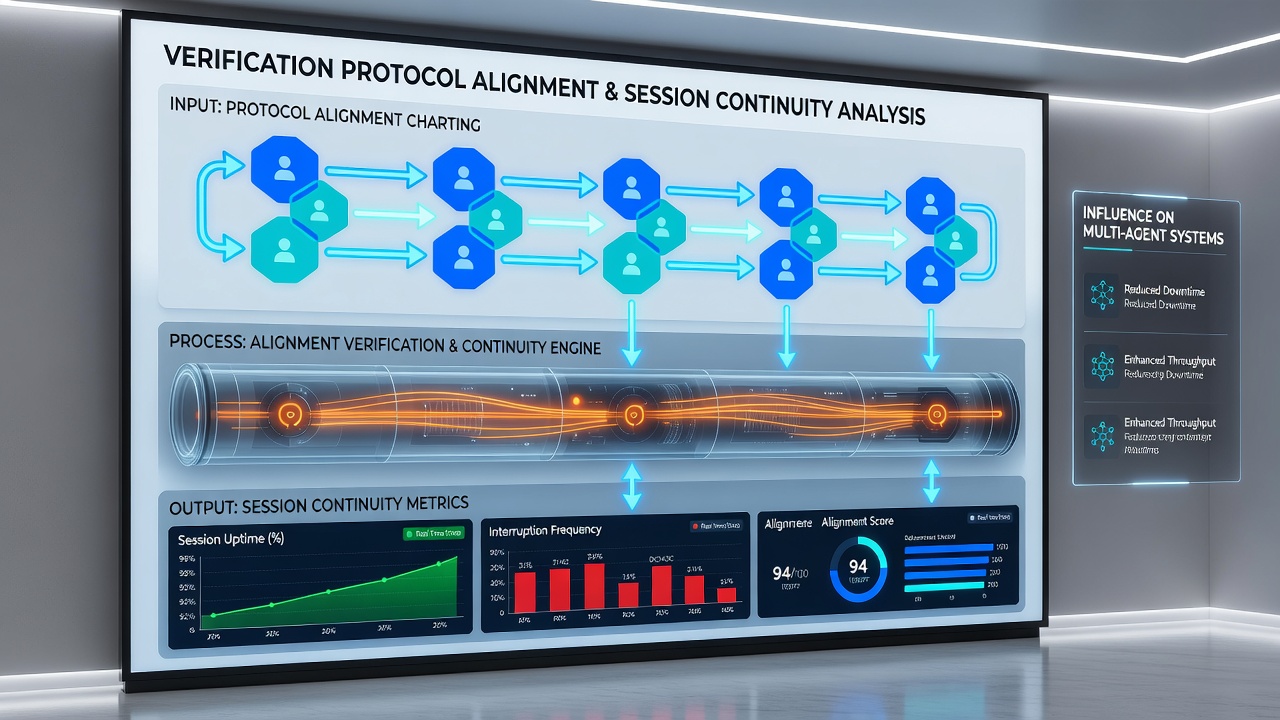
Take one network operating under licenses in the northeastern United States and parts of Canada: after mapping verification fields to a shared format, the operator recorded steadier session lengths because players moving between Pennsylvania and Ontario experienced fewer re-check prompts. Similar patterns emerged in Australian and European networks where centralized verification engines now reference both local and reciprocal databases, and industry reports link these changes to measurable lifts in continuity scores. Those tracking the data emphasize that success depends on maintaining audit trails that satisfy each regulator without duplicating user-facing steps.
What's interesting is how device fingerprinting and behavioral signals supplement formal verification once alignment is in place, allowing platforms to extend sessions confidently while still meeting compliance obligations. External sources such as the New Jersey Division of Gaming Enforcement and the iGaming Ontario regulatory framework publish guidance that encourages such technical harmonization, and operators who adopt these practices report fewer regulatory queries tied to session interruptions.
Conclusion
Verification protocol alignments continue to influence session continuity metrics by reducing redundant checks and enabling smoother transitions across jurisdictional boundaries, with data from 2026 showing consistent gains in duration and retention where synchronization occurs. Platforms that chart these alignments systematically achieve more stable performance indicators, and ongoing refinements in data exchange standards suggest further improvements ahead as more regions adopt compatible verification structures.