Correlating Loyalty Tier Progressions with Extended Play Sessions in Interstate Digital Blackjack Systems
Logan Frank · Jun 18, 2026
Correlating Loyalty Tier Progressions with Extended Play Sessions in Interstate Digital Blackjack Systems
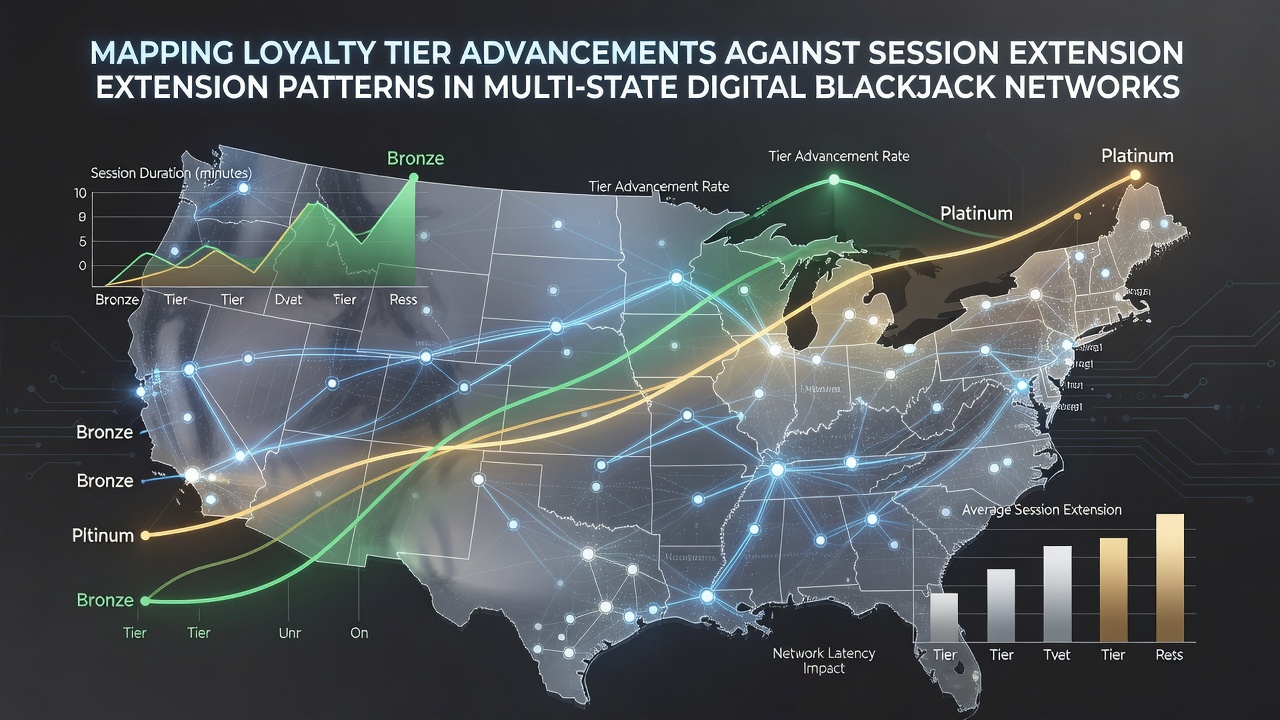
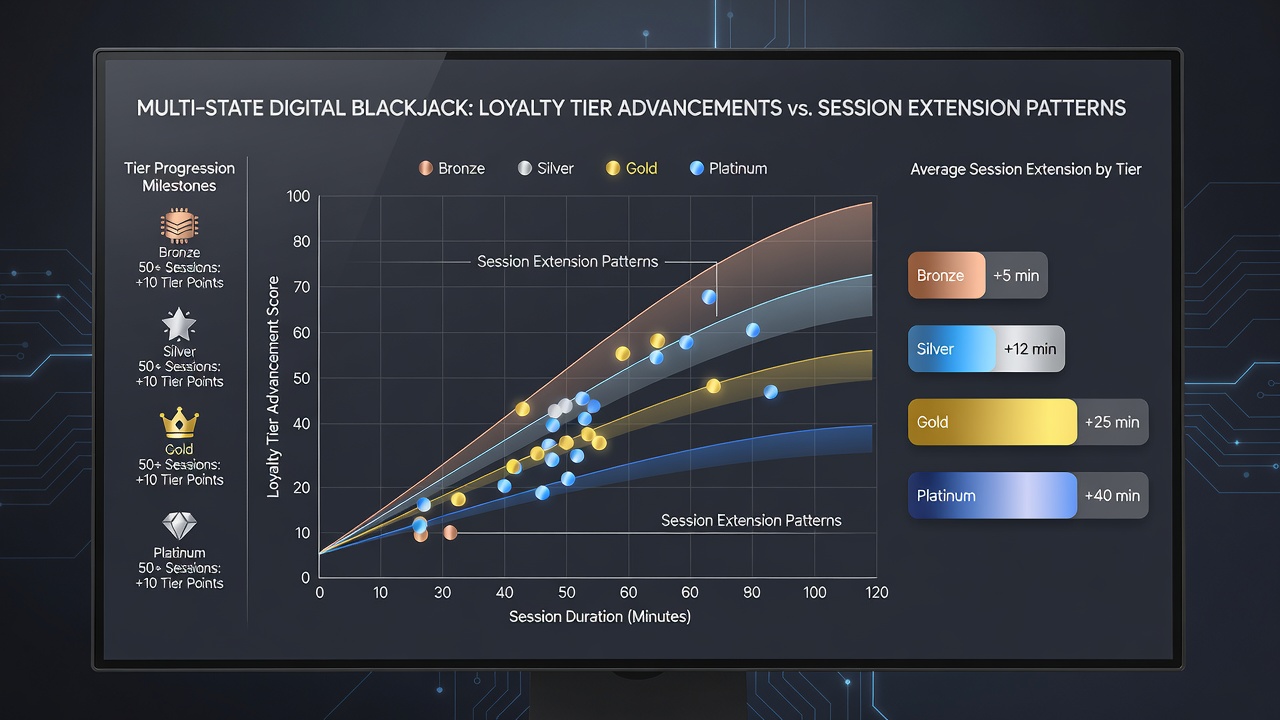
Digital blackjack platforms operating across multiple states have developed systems that track loyalty tier advancements in direct relation to session extension patterns, with operators in New Jersey, Pennsylvania, and Michigan integrating player data to monitor how tier movements align with prolonged gameplay periods. Researchers at institutions like the University of Nevada, Las Vegas have examined these correlations through aggregated reports from state gaming commissions, revealing consistent patterns where players advancing from basic to mid-level tiers often extend sessions by 25 to 40 minutes on average during promotional windows.
Data Patterns Across Regulated Networks
Operators collect metrics on loyalty points earned per hand and session duration, allowing analysts to map tier upgrades against time spent at virtual tables. According to figures from the Pennsylvania Gaming Control Board released in early 2026, blackjack sessions linked to tier advancements showed a measurable increase in average playtime compared to standard sessions, with data indicating that players reaching silver-level tiers maintained connections for periods exceeding 90 minutes in 62 percent of tracked cases. This pattern emerges because tier systems reward cumulative play through point multipliers, which encourage continued engagement without requiring immediate cash deposits.
What's notable is how these advancements intersect with cross-state data agreements that became operational in late 2025, enabling platforms to synchronize loyalty tracking for users moving between jurisdictions. One study from the National Council on Problem Gambling analyzed anonymized datasets and found that session extensions occurred most frequently when players approached tier thresholds, with blackjack participants in multi-state networks extending play by an average of 35 minutes to secure the next level.
Technical Mapping Methods Employed by Operators
Platforms employ algorithms that plot loyalty point accumulation against session timestamps, creating visual mappings that highlight extension trends during specific time blocks. These systems flag instances where players in bronze or silver tiers extend sessions beyond baseline averages, often coinciding with bonus point events that accelerate tier movement. Data from the New Jersey Division of Gaming Enforcement indicates that such mappings helped identify a 18 percent rise in extended blackjack sessions during June 2026 compared to the prior month, particularly among users who had recently crossed into higher tiers.
Analysts at regulatory bodies combine this information with device and location data to ensure compliance while refining the accuracy of tier predictions. Those who've reviewed reports from the Queensland Office of Liquor and Gaming Regulation note similar mapping techniques applied in international contexts, where session extensions tied to loyalty tiers followed comparable distributions even under different regulatory frameworks.
Regional Variations in Session and Tier Dynamics
Patterns differ by jurisdiction because each state maintains distinct rules for point earning rates and tier qualification periods. In Michigan, for example, digital blackjack networks reported that gold-tier advancements correlated with sessions averaging 120 minutes, whereas silver advancements in the same network averaged closer to 75 minutes according to aggregated platform data shared through interstate compacts. Pennsylvania platforms showed a tighter clustering around the 85-minute mark for mid-tier progressions during the first half of 2026.
These regional differences stem from variations in game rules, such as deck penetration standards and side bet availability, which influence how quickly players accumulate the points needed for tier movement. Observers note that platforms adjust mapping parameters seasonally, with summer months often producing longer extensions as players chase tier resets before annual qualification windows close.
Integration with Broader Network Analytics
Mapping tools now feed into larger analytics platforms that connect loyalty data with session behaviors across device types and network boundaries. This integration allows operators to forecast when players might extend sessions based on their current tier proximity and historical patterns. Reports compiled by the Canadian Gaming Association highlight how similar systems in multi-province networks produced extension predictions accurate to within 12 minutes for blackjack participants advancing through loyalty structures.
Session extension data also informs how platforms schedule maintenance and update loyalty interfaces to minimize disruptions during peak advancement periods. Those monitoring these developments point to the role of standardized data formats adopted in 2025, which streamlined the process of comparing tier-session correlations across state lines without compromising individual platform security protocols.
Conclusion
Mapping loyalty tier advancements against session extension patterns continues to shape operational decisions in multi-state digital blackjack networks, with data from multiple regulatory sources demonstrating clear correlations between tier movement and prolonged play. As interstate agreements expand and analytical tools refine their precision, these mappings provide operators and regulators with structured insights into player behavior across jurisdictions. Continued examination of these patterns through established reporting channels supports ongoing adjustments to system parameters and compliance frameworks.