Device Fingerprinting Protocols Reshape Free Spin Distribution in Cross-Border Casino Operations
Nils Roth · Jun 8, 2026
Device Fingerprinting Protocols Reshape Free Spin Distribution in Cross-Border Casino Operations
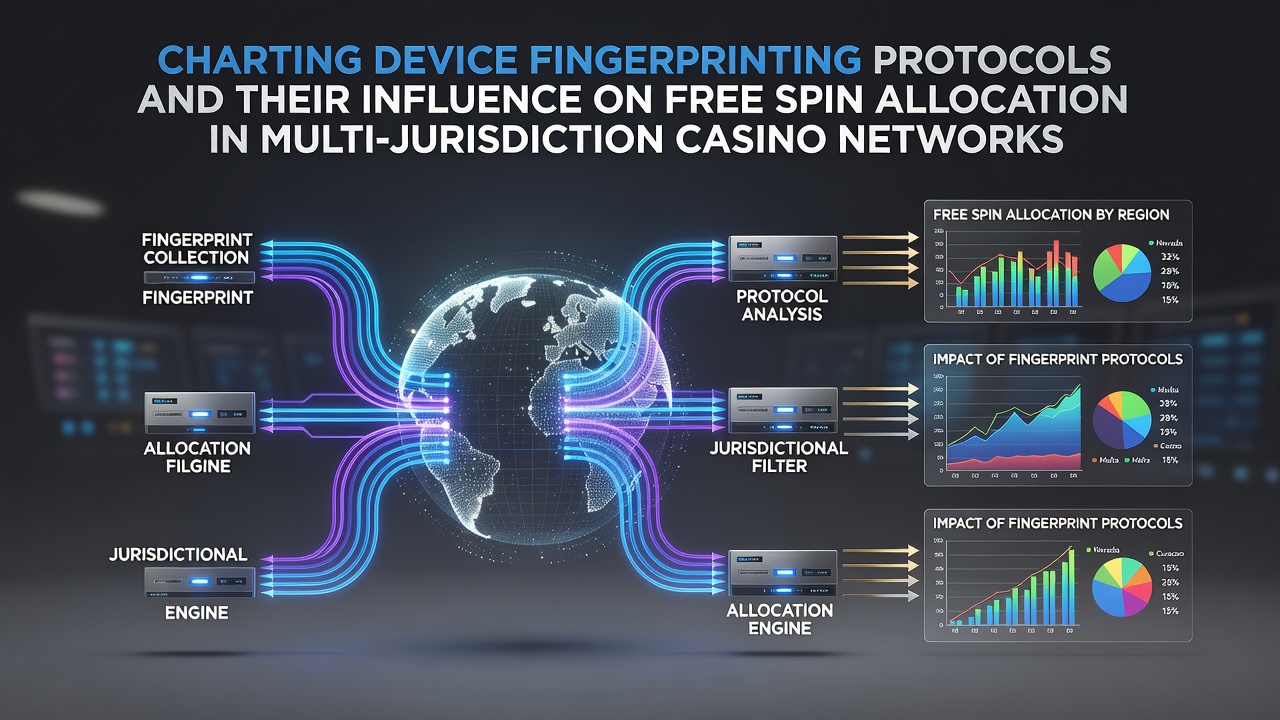
Device fingerprinting protocols collect unique browser and hardware signals to create persistent identifiers that operators rely on when determining eligibility for free spin promotions in networks spanning several regulatory zones, and these systems integrate data points such as canvas rendering outputs, WebGL parameters, and font lists with user account histories to limit duplicate claims while satisfying licensing conditions in each territory.
Core Components of Fingerprinting Technology
Operators deploy a combination of static and dynamic signals that include screen resolution, installed plugins, time zone settings, and audio context hashes, and platforms combine these elements into a composite score that updates in real time as players switch devices or clear cache data, which allows networks to maintain consistent tracking even when users attempt to reset identifiers through standard privacy tools.
Studies from academic institutions have examined how canvas fingerprinting alone distinguishes devices with over 99 percent accuracy in controlled tests, while industry reports indicate that multi-signal approaches further reduce collision rates when applied across large player databases shared among partner casinos.
Free Spin Allocation Logic in Regulated Environments
Free spin credits typically tie to verified accounts rather than single sessions, yet fingerprinting enables operators to flag accounts that share device signatures across different licensed brands, and this linkage prevents players from claiming overlapping promotions that would otherwise violate per-user caps established by state or provincial rules.
Data from the New Jersey Division of Gaming Enforcement shows that bonus-related disputes dropped after operators adopted unified fingerprint databases in 2025, while similar patterns appear in reports covering operations in multiple Canadian provinces where inter-site data agreements took effect earlier that year.
Multi-Jurisdiction Data Sharing Mechanisms
Regulatory frameworks in several US states and Australian territories now require operators to participate in centralized or federated databases that exchange hashed fingerprints rather than raw personal information, and these exchanges occur through secure APIs that log access timestamps for audit purposes without exposing full player profiles to every network participant.
One research paper published by a European gaming technology consortium documented how synchronization delays of even a few hours can create temporary windows for duplicate claims, prompting operators to implement near-real-time reconciliation protocols that run every fifteen minutes during peak promotion periods.

Impact on Player Verification and Bonus Integrity
Verification layers that incorporate fingerprint scores now trigger additional identity checks when a new device signature appears alongside an existing account, and this process often requires players to complete step-up authentication such as uploading a government ID or confirming a one-time code sent to a registered phone number before free spins activate.
Figures released by the Pennsylvania Gaming Control Board for the first half of 2026 revealed that platforms using advanced fingerprint matching recorded fewer instances of bonus abuse compared with networks relying solely on IP and account-level controls, and analysts attribute the difference to the difficulty of spoofing multiple hardware signals simultaneously.
Technical Challenges and Protocol Updates
Privacy-focused browser updates introduced in early 2026 altered how certain rendering APIs expose data, forcing casino technology providers to recalibrate their fingerprinting algorithms and incorporate fallback signals such as WebRTC candidate lists and battery status indicators that remain available across major platforms.
Those who manage cross-border networks report that calibration cycles now occur quarterly to account for software changes, and each recalibration includes validation against historical claim data to ensure free spin allocation rules continue to function without generating excessive false positives that frustrate legitimate players.
Conclusion
Device fingerprinting continues to serve as a central tool for aligning free spin distribution with the distinct regulatory requirements of each jurisdiction, and ongoing refinements to signal collection and data-sharing practices reflect the need to balance fraud prevention with player convenience across expanding multi-state and international casino networks.