How Software Provider Partnerships Shape Payout Verification Across Emerging Gaming Markets
Nils Roth · Jun 25, 2026
How Software Provider Partnerships Shape Payout Verification Across Emerging Gaming Markets
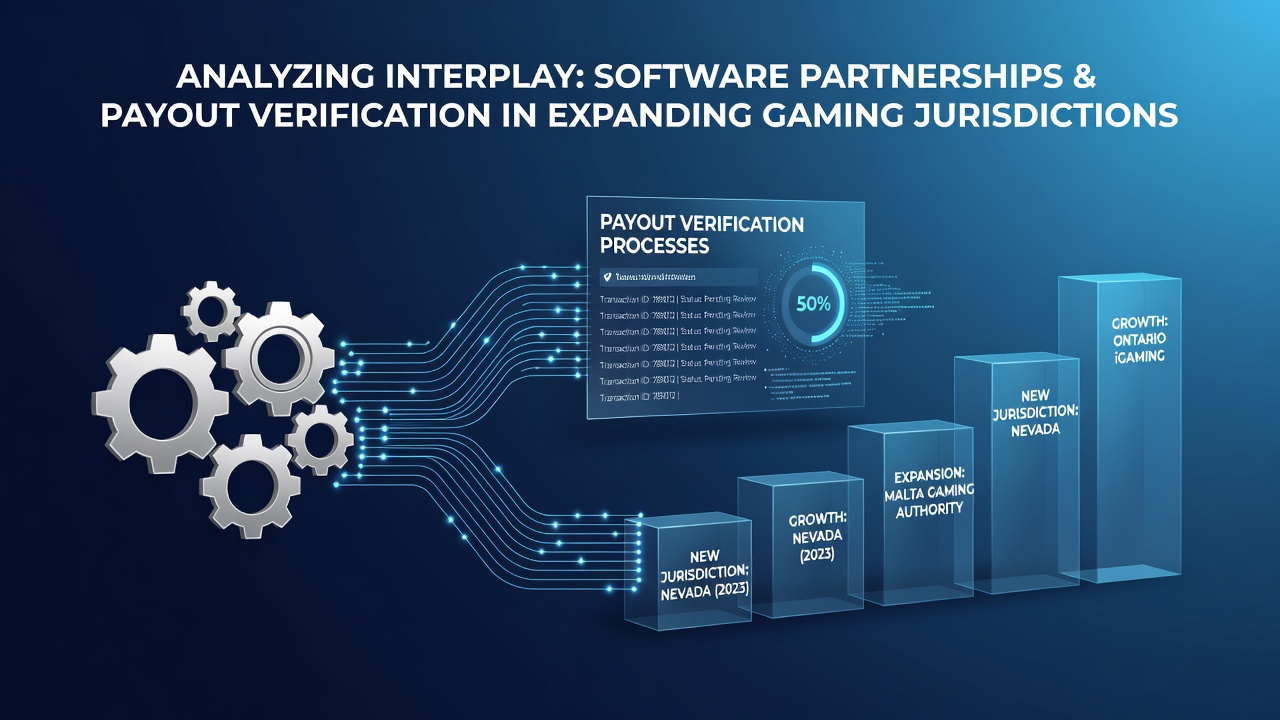
Software provider partnerships form the backbone of modern gaming operations while payout verification processes determine how quickly and accurately funds reach players across new jurisdictions, and these two elements connect in ways that affect everything from platform stability to regulatory compliance in regions entering the market during 2026. Partnerships often involve shared technology stacks where one company supplies game engines and another handles backend transaction routing, creating layers of data exchange that regulators must monitor closely.
Core Elements of Provider Partnerships
Providers establish agreements that cover game content delivery, API connectivity, and security protocols, and these arrangements frequently extend into verification workflows because payout systems rely on real-time data feeds from the same software layers. In expanding markets such as parts of the United States and Canada, operators select partners based on their ability to meet local licensing standards, which include mandatory audit trails for every transaction. Data from regulatory filings shows that jurisdictions opening in 2025 and 2026 require providers to integrate with centralized reporting systems before any game goes live.
Observers note that shared development roadmaps allow providers to embed verification checkpoints directly into game servers, reducing the need for separate post-game audits. This integration becomes especially relevant when markets introduce new tax structures or player fund segregation rules, since the software must automatically flag and route portions of wagers to designated accounts.
Verification Processes in Expanding Jurisdictions
Payout verification involves multiple stages including identity confirmation, transaction logging, and fund release authorization, and software partnerships influence each stage through standardized data formats that different regulatory bodies accept. In June 2026 several North American states began requiring providers to maintain duplicate verification logs accessible to both state gaming commissions and independent testing labs, a step that streamlines cross-border operations for multi-state operators. Australian and New Zealand regulators have adopted similar requirements, creating common technical standards that ease partnership negotiations for providers working across hemispheres.
Those who've studied these systems report that automated verification reduces average payout times from 72 hours to under 24 hours when partners align their encryption and timestamp protocols. The process still requires human oversight for high-value wins, yet the underlying software handles routine checks without manual intervention in most cases.
Interconnections and Data Flows
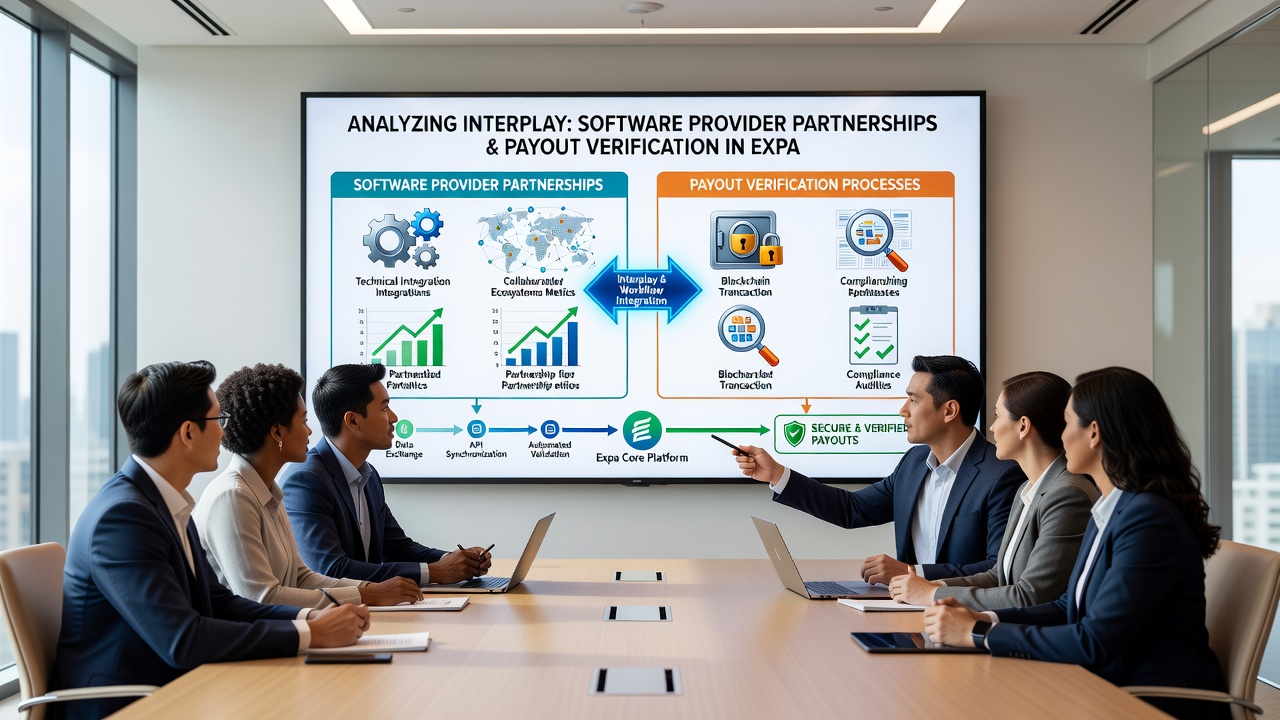
Partnership contracts increasingly specify which party maintains the master verification database, and this decision shapes how quickly operators can launch in new jurisdictions because regulators review those contracts during licensing. When one provider controls game logic and another manages payment gateways, both must demonstrate that their combined system produces immutable records that survive forensic examination. Research from gaming technology associations indicates that joint certification programs cut approval timelines by approximately 30 percent compared with separate submissions.
Examples from recent market entries show that providers who pre-build regulatory hooks into their software release updates faster once a jurisdiction finalizes its rules. This approach proves useful in regions where lawmakers adjust technical standards between draft and final legislation, since the partnership can implement changes through a single coordinated patch rather than multiple vendor updates.
Regulatory Alignment Across Borders
Expanding jurisdictions often reference frameworks from established markets when drafting rules, and software partnerships help operators meet these borrowed standards without rebuilding systems from scratch. The Pennsylvania Gaming Control Board and the Alcohol and Gaming Commission of Ontario both require providers to submit identical data schemas for payout verification, allowing partnered companies to reuse compliance modules across both markets. This reuse reduces development costs and speeds up the technical due diligence phase that precedes licensing decisions.
Industry reports from university research centers tracking global gaming note that providers with established multi-jurisdiction partnerships encounter fewer delays when entering markets that adopt open API standards for verification data. The same reports highlight that markets without such standards see longer integration periods because each operator must negotiate custom data exchange methods with its software partners.
Conclusion
Software provider partnerships and payout verification processes continue to merge as expanding gaming jurisdictions impose tighter technical requirements on operators and their vendors. The resulting systems deliver faster, more transparent fund movements while satisfying regulatory demands for auditability and player protection. Markets entering the regulated space in 2026 and beyond inherit these integrated approaches, which shape both the speed of platform launches and the reliability of player payouts.