How Verification Delays Shape Spin Credit Access in Global Online Gaming Platforms
Noah Lang · Jun 20, 2026
How Verification Delays Shape Spin Credit Access in Global Online Gaming Platforms
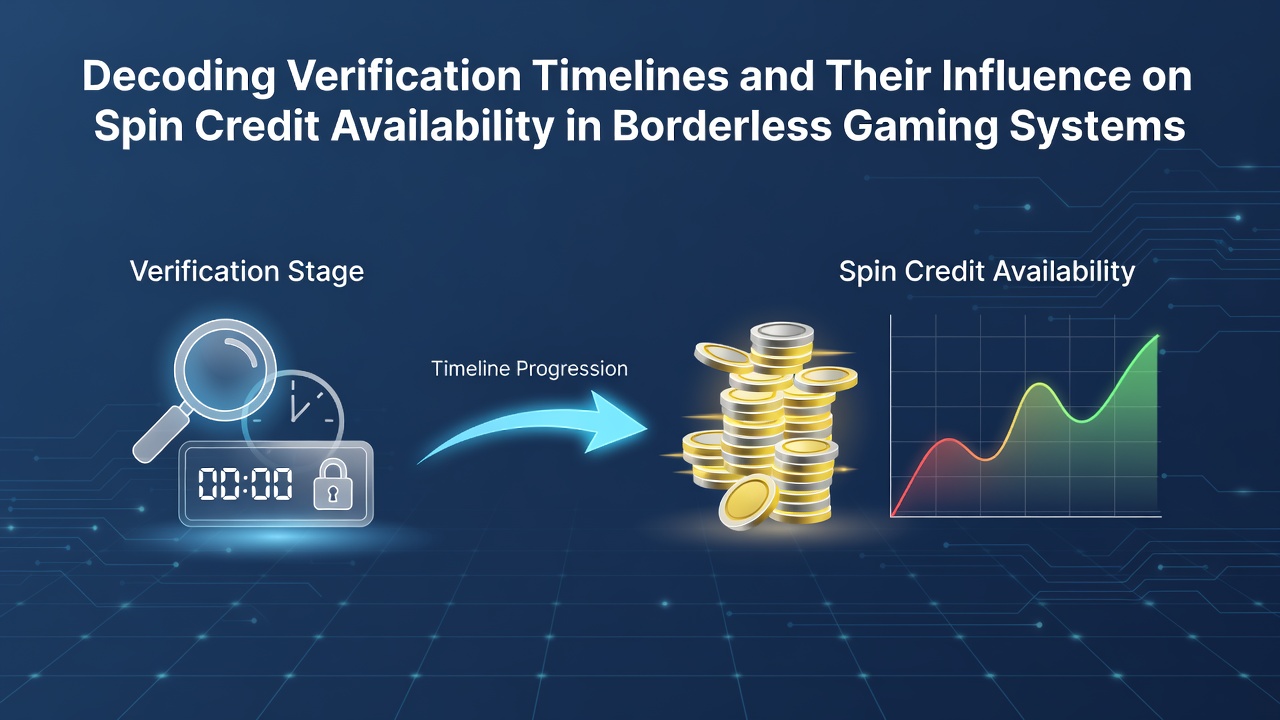
Borderless gaming systems operate across multiple jurisdictions where verification timelines determine when players gain access to spin credits, and these processes vary significantly depending on regulatory requirements in each region. Platforms must navigate differing standards for identity checks, which directly affects the release of promotional credits tied to spins, and data from industry reports shows that delays in one jurisdiction often cascade into others due to shared compliance frameworks. Observers note that in June 2026, increased player migration across borders highlighted these interconnections, as operators adjusted protocols to handle higher volumes of cross-regional verifications.
Core Elements of Verification in Multi-Jurisdictional Setups
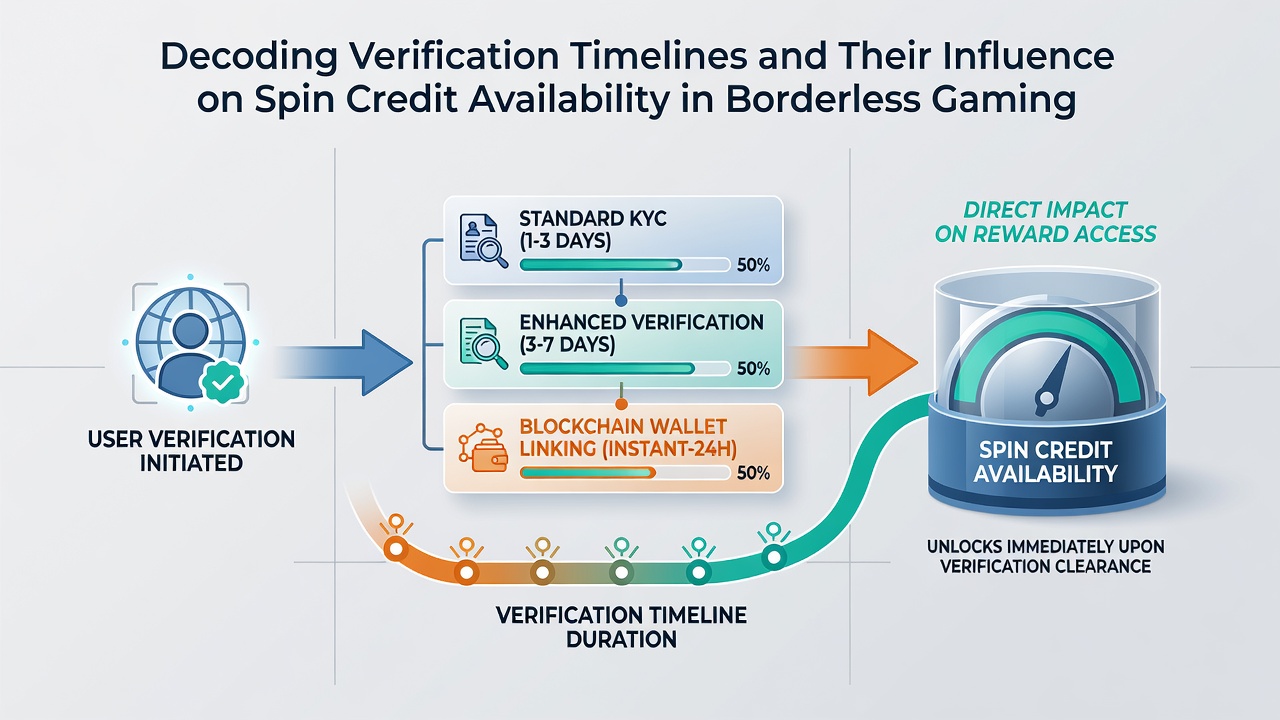
Verification layers typically include document submission, biometric confirmation, and address validation, each carrying its own processing window that platforms align with local laws. When a player registers from a new territory, the system initiates checks that pull from centralized databases, and this integration ensures consistency but extends timelines when discrepancies arise between regional records. Researchers have found that average verification completion ranges from hours in streamlined markets to several days in areas with stricter data-sharing rules, which in turn postpones spin credit activation since most operators tie these rewards to confirmed accounts.
Operators use automated tools to flag high-risk entries early, yet manual reviews remain necessary for complex cases involving international documents. This hybrid approach reduces errors while maintaining speed where possible, and figures from regulatory filings indicate that platforms prioritizing real-time API connections experience fewer holdups on credit distribution. Those who've analyzed operational data observe that seamless handoffs between verification stages prevent bottlenecks that otherwise lock spin credits behind pending approvals.
Regional Variations and Their Direct Effects on Credit Availability
Different areas enforce distinct timelines for completing checks, which influences how quickly spin credits become usable in borderless environments. European platforms often finalize basic verifications within 24 hours when using standardized eID systems, whereas certain North American networks require additional layers that stretch into 48 to 72 hours during peak periods. These differences matter because spin credits frequently expire or lose value if not claimed promptly after registration, and players crossing from faster to slower jurisdictions encounter mismatches in expected access.
Australian regulators have implemented guidelines that tie credit releases to verified status within specific windows, creating predictable patterns for operators serving that market alongside others. Data shows that when timelines align across connected platforms, spin credit availability improves overall, but misaligned schedules lead to temporary restrictions that affect player engagement metrics tracked by industry groups.
Impact on Progressive Features and Cross-Border Credit Pools
Spin credits often connect to progressive elements that span multiple regions, and verification delays disrupt eligibility for pooled rewards when accounts remain unconfirmed. In June 2026, several networks reported adjustments to credit distribution rules to account for these interruptions, allowing partial access once initial checks clear while full verification finalizes. This method maintains system integrity without halting all activity, and studies from academic institutions have examined how such phased releases influence retention rates in multi-state setups.
Device fingerprinting protocols add another dimension by linking verification status to hardware signatures, which helps prevent duplicate claims but requires additional processing time when players switch devices across borders. Operators integrate these checks into the same workflow as identity validation, and the combined steps determine when credits activate in real time. Evidence suggests that platforms investing in unified verification hubs reduce average delays by coordinating data flows more efficiently than fragmented regional teams.
Operational Adjustments by Platforms in 2026
Many operators have refined their verification pipelines to minimize impacts on spin credit availability, incorporating predictive analytics that forecast potential delays based on player origin and document type. These systems flag cases likely to require extended review early, allowing proactive communication that sets accurate expectations for credit access. According to reports from the New Jersey Division of Gaming Enforcement, coordinated data agreements between states have shortened some verification cycles when records already exist in shared repositories.
Canadian provincial authorities have explored similar integrations, and findings indicate that synchronized timelines across borders lead to more consistent credit distribution patterns. Platforms apply these insights by prioritizing automated approvals for low-risk profiles while routing complex verifications through dedicated teams, which balances speed with compliance needs in global operations.
Conclusion
Verification timelines in borderless gaming systems continue to shape spin credit availability through layered regulatory and technical processes that operators must reconcile across regions. As networks expand in June 2026 and beyond, data from sources such as university research papers on digital compliance demonstrates the value of streamlined protocols in reducing access barriers. Players and platforms alike benefit when verification aligns efficiently with credit release mechanisms, creating smoother experiences within established legal frameworks.