Interstate Data Sharing Agreements Transform Progressive Jackpot Eligibility in Multi-State Online Gaming Platforms
Logan Frank · Jun 6, 2026
Interstate Data Sharing Agreements Transform Progressive Jackpot Eligibility in Multi-State Online Gaming Platforms
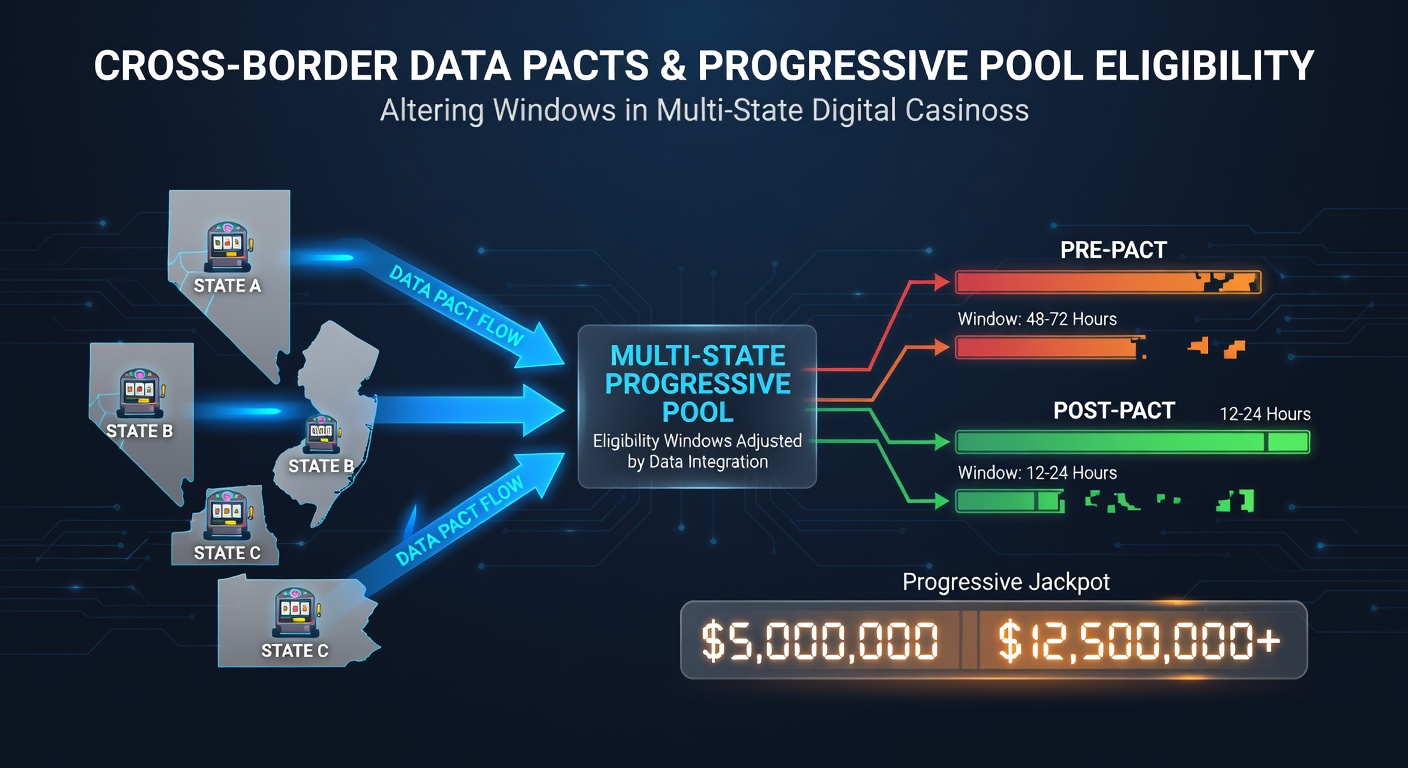
Multi-state digital casinos now operate under data pacts that synchronize player eligibility windows for progressive jackpot pools, and these agreements have expanded rapidly since early 2025. Regulators in New Jersey, Pennsylvania, and Michigan coordinate through shared databases that track wager contributions and reset timers across platforms, which means a player logging in from one state might see different contribution periods than someone in another jurisdiction even on the same network.
These pacts emerged from earlier licensing frameworks that required operators to maintain separate progressive pools per state, yet synchronization reduces fragmentation while preserving local tax and compliance rules. Data indicates that by June 2026 several operators had adjusted their backend systems to align eligibility periods within 48-hour windows, allowing contributions from multiple states to feed into unified prize pools without violating individual state statutes.
Mechanics of Cross-State Data Agreements
Operators transmit anonymized transaction records through secure APIs governed by memoranda of understanding between state gaming commissions, and these records include timestamps, wager amounts, and player verification status without transferring personally identifiable information. The New Jersey Division of Gaming Enforcement publishes aggregated reports showing that synchronized pools reached contribution volumes 22 percent higher than isolated state pools during the first quarter of 2026.
Eligibility windows define the timeframe during which a player's wagers count toward the next jackpot trigger, and pacts alter these windows by enforcing uniform cutoffs across participating states. A player who begins contributing at 11 p.m. Eastern Time in Pennsylvania might have that session count toward a New Jersey-linked pool only if the agreement's clock recognizes the contribution before the daily reset, which some networks set at midnight local time while others use a centralized server clock.
Effects on Player Access and Pool Dynamics
Observers note that players crossing state lines or using VPN-restricted accounts encounter altered eligibility because the shared ledger recalculates their contribution history against the unified window. One study from the University of Nevada's gaming research center found that average session lengths needed to qualify for major progressives increased by 14 minutes after pact implementation in three states, since partial contributions from prior days no longer carried over across midnight boundaries in the same way.
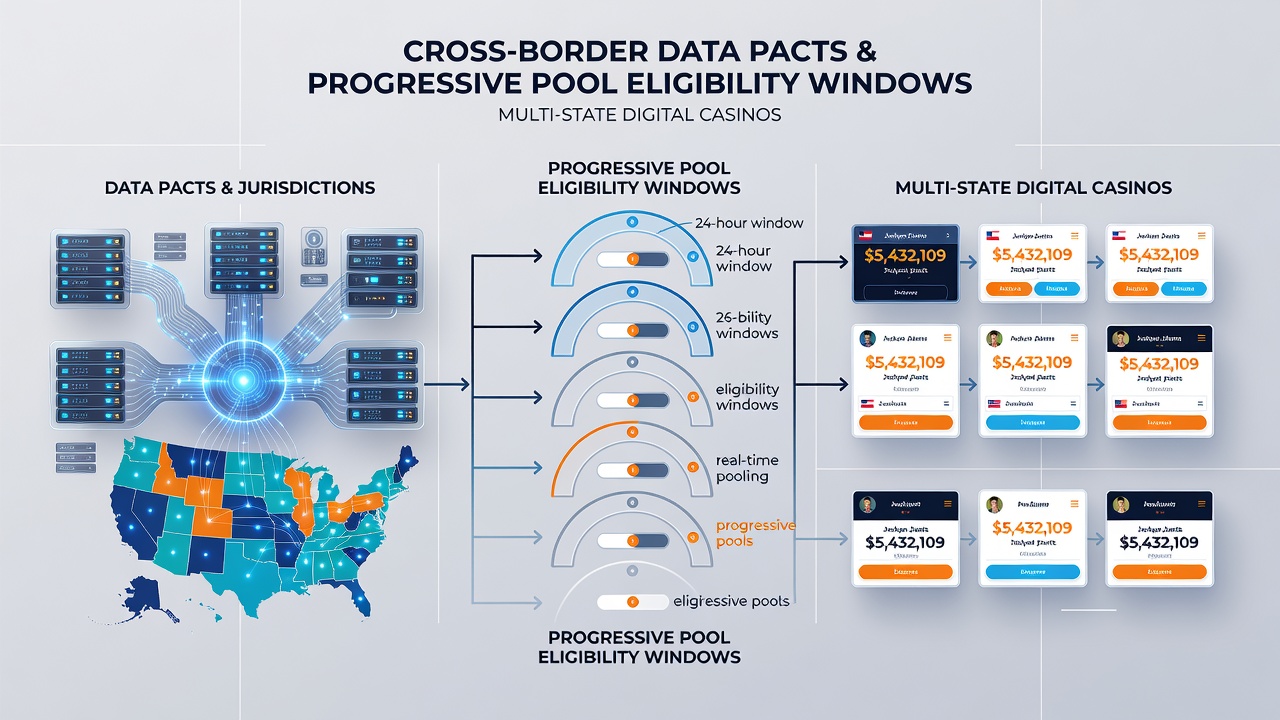
Take one operator managing platforms in both Michigan and Pennsylvania: after the 2025 data pact, that company recalibrated its progressive meters so that a jackpot reset in one state automatically aligned the eligibility start for players in the other, yet local regulations still required separate tax withholdings at payout. Figures from the Pennsylvania Gaming Control Board reveal that cross-state progressive payouts totaled $47.8 million in the twelve months ending May 2026, representing a measurable shift from pre-pact distributions.
Regulatory and Technical Implementation Challenges
Technical teams at licensed casinos must maintain dual logging systems that record both state-specific and pact-wide timestamps, and any discrepancy triggers automated compliance flags sent to each participating regulator. These systems rely on millisecond-level synchronization protocols that prevent one state's slower reporting from extending another state's eligibility window beyond agreed limits.
Regulators in additional states, including West Virginia and Delaware, began exploratory talks in spring 2026 to join existing pacts, which would further standardize windows but require updates to each operator's geofencing and geolocation verification layers. Data shows that states already inside the agreements experienced fewer jackpot disputes related to timing mismatches compared with earlier fragmented models.
Industry Response and Future Adjustments
Casino networks respond by publishing updated eligibility schedules on player dashboards that reflect the pact-adjusted windows, and customer support teams receive training to explain how contributions from one state affect pool status in another. Industry associations such as the American Gaming Association have issued guidance documents outlining best practices for maintaining audit trails that satisfy all signatory states simultaneously.
What's interesting is how these pacts interact with emerging live dealer integrations, where real-time contribution data must route through the same shared ledgers without introducing latency that could push a wager past the eligibility cutoff. Operators continue to refine their architectures, and regulatory filings from June 2026 indicate ongoing testing of predictive algorithms that forecast window closures based on aggregated multi-state traffic patterns.
Conclusion
Cross-border data pacts continue to redefine how progressive pools calculate eligibility across state lines, and the technical and regulatory infrastructure supporting these agreements grows more interconnected each quarter. Players and operators alike navigate revised contribution timelines that reflect coordinated state oversight rather than isolated jurisdictional rules, which produces larger pooled prizes alongside stricter synchronization requirements. As additional states evaluate participation, the structure of multi-state digital casino progressives will likely evolve further through expanded data-sharing frameworks.