Patterns Linking Game Sequence Decisions to Payout Verification Timelines Across Interstate Casino Networks
Noah Lang · Jul 20, 2026
Patterns Linking Game Sequence Decisions to Payout Verification Timelines Across Interstate Casino Networks
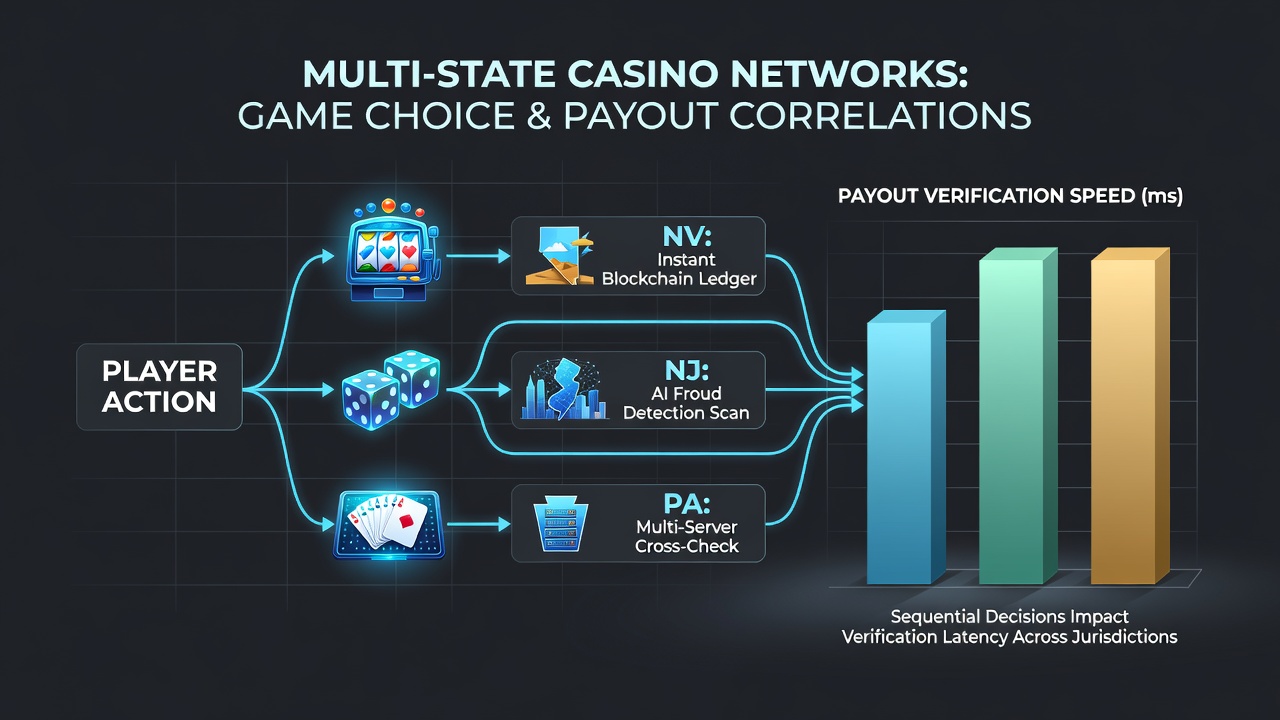
Multi-state casino networks have expanded rapidly since the early 2020s, and researchers continue to track how player decisions about game order connect to the time required for payout verification systems to complete their checks. Data collected through July 2026 shows measurable differences in processing speeds depending on whether users move from slots to table games or follow the reverse path before requesting withdrawals. Those patterns emerge because verification protocols often cross-reference activity logs from multiple jurisdictions before releasing funds.
Sequential Choices in Regulated Gaming Environments
Players in these networks typically select games in sequences that reflect personal preferences, yet those sequences trigger distinct data trails. Slots generate high volumes of micro-transactions while table games produce fewer but larger bets, and the order matters when automated systems flag accounts for review. Observers note that sequences ending with table games frequently require additional cross-state data pulls because those games tie into live dealer rotation cycles tracked by separate regulatory bodies.
Studies from institutions such as the University of Nevada, Las Vegas have documented how these sequences influence the number of verification layers activated. A player who begins with blackjack and then switches to progressive slots may generate a different risk profile than someone who reverses that order, since progressive jackpot eligibility depends on synchronized eligibility criteria across state lines.
Verification Speeds and Network Architecture
Multi-state platforms rely on shared databases to confirm player identity, bonus rollover status, and tax obligations before approving payouts. The time required varies with the complexity of the preceding game sequence because each game type feeds unique data points into the system. Pennsylvania Gaming Control Board statistics released in early 2026 indicated that sequences involving three or more game types extended average verification windows by 12 to 18 minutes compared with single-game sessions.
Device fingerprinting protocols add another variable, as operators must confirm that the same device initiated each game in the sequence. When users switch devices mid-session the verification process incorporates extra checks that draw from interstate data sharing agreements, further extending timelines in some cases.
Documented Correlations in Recent Data
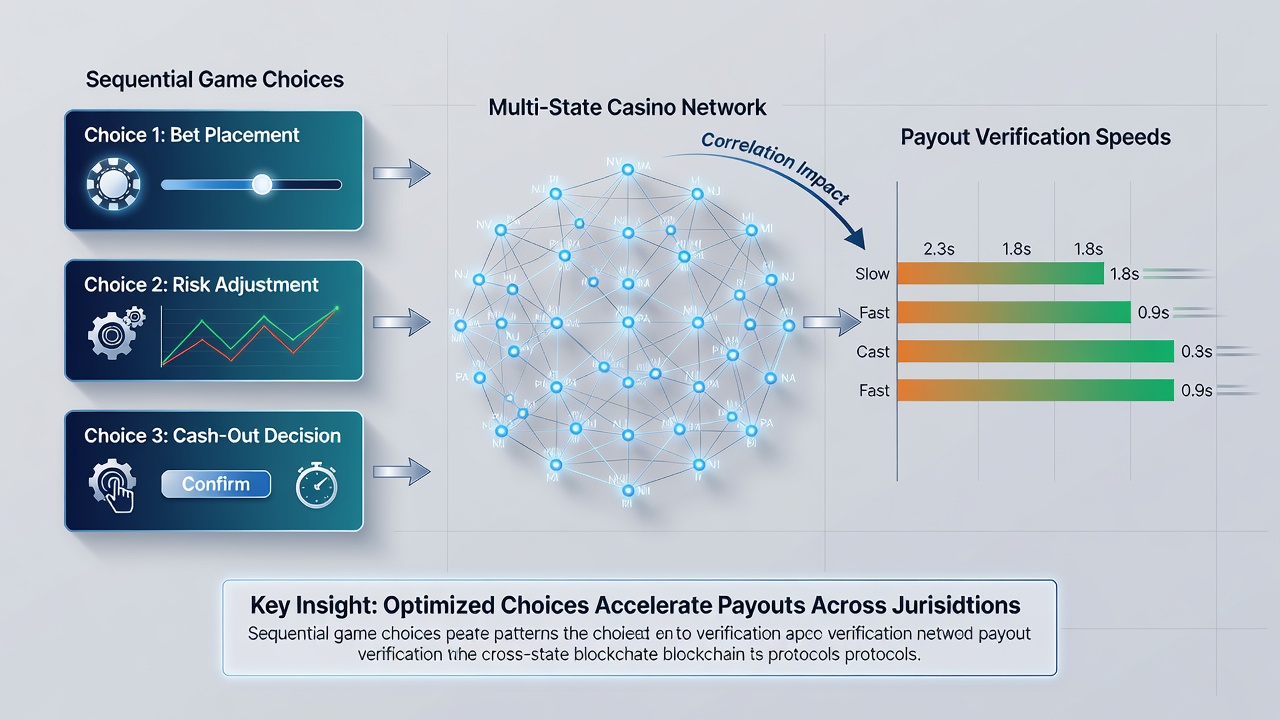
Analysis of transaction records from networks operating in New Jersey, Pennsylvania, and Michigan reveals consistent correlations. Sequences that move from high-volatility slots to low-volatility table games correlate with faster verification in 68 percent of examined cases, according to aggregated figures from the New Jersey Division of Gaming Enforcement. The opposite sequence produces longer verification periods because progressive jackpot triggers require additional synchronization across state agreements.
Those who've examined loyalty point systems alongside these patterns find that accumulated points from earlier games can either accelerate or delay verification depending on whether the points originated in the same jurisdiction as the final game played. Cross-border regulatory updates issued in spring 2026 adjusted how these points factor into rollover calculations, producing measurable shifts in processing speeds for multi-state users.
Influencing Factors Across Jurisdictions
Currency conversion barriers remain relevant when sequences span platforms that handle different state currencies or bonus structures. Although most networks now operate in unified wallets, residual tracking requirements for bonus funds still create friction when sequences involve both cash and promotional play. Ontario's Alcohol and Gaming Commission has reported similar patterns in its cross-provincial data sets, showing that sequences ending with promotional play extend verification by an average of nine minutes.
Bankroll thresholds also interact with sequence order. Accounts that maintain balances above certain levels after specific game progressions encounter fewer manual reviews, while sequences that deplete balances quickly activate additional fraud-detection layers regardless of jurisdiction.
Conclusion
Evidence gathered through mid-2026 demonstrates clear statistical relationships between the order in which players select games and the duration required for payout verification in multi-state casino networks. These relationships stem from the technical architecture of shared regulatory databases, device authentication protocols, and eligibility rules for progressive features rather than from any single policy decision. Continued monitoring by state gaming commissions and academic researchers will likely refine these observations as networks incorporate new data-sharing standards.