Payment Gateway Latencies and Their Role in Modifying Slot Volatility Across Shared Operator Platforms
Logan Frank · Jul 16, 2026
Payment Gateway Latencies and Their Role in Modifying Slot Volatility Across Shared Operator Platforms
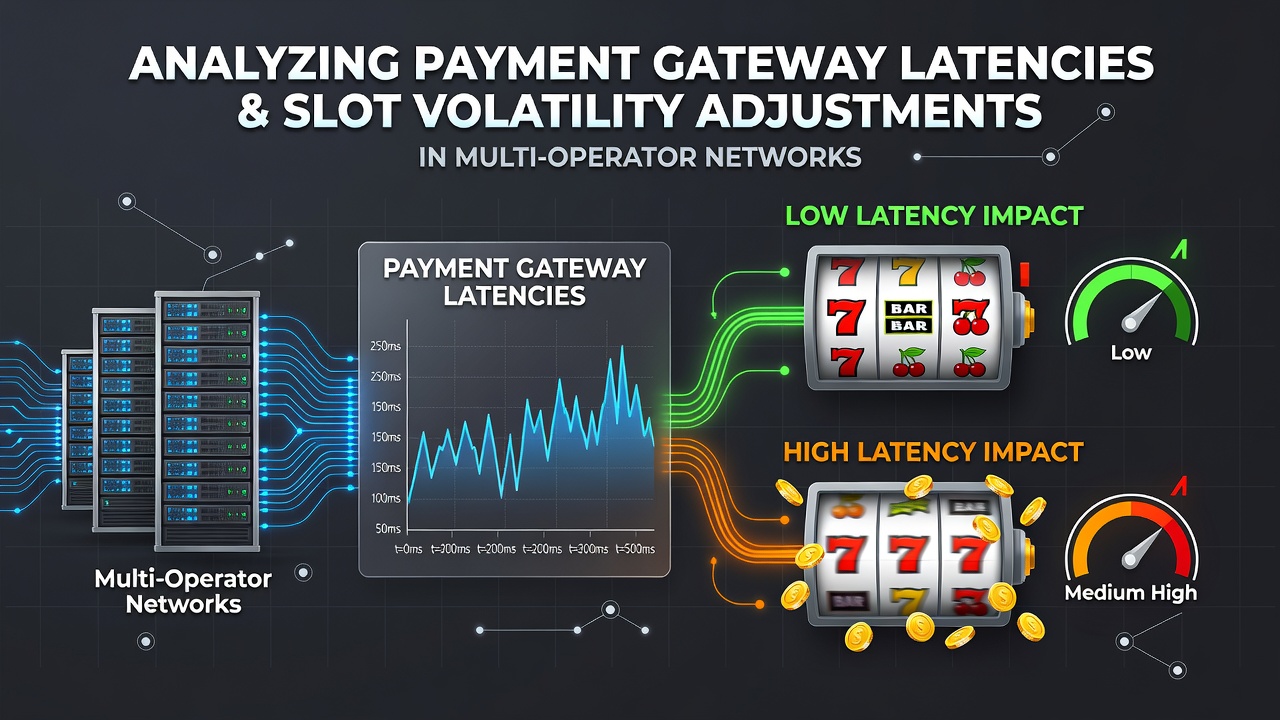
Payment gateway latencies arise when transaction processing times extend beyond standard thresholds in multi-operator gaming networks and these delays prompt operators to recalibrate slot volatility settings to balance risk exposure while maintaining session continuity. Data collected through 2026 indicates that average gateway response times ranging from 800 milliseconds to 2.5 seconds correlate with measurable shifts in volatility indexes across interconnected platforms and researchers tracking these patterns note adjustments occurring most frequently during peak transaction windows.
Core Components of Gateway Performance in Networked Environments
Multi-operator networks rely on shared payment infrastructures that route deposits and withdrawals through centralized processors yet individual operators retain control over game mathematics engines and when latency spikes emerge the systems flag potential discrepancies in real-time fund availability. Studies conducted by regional regulators show that operators in coordinated jurisdictions respond by increasing or decreasing volatility parameters within slot titles to offset any perceived lag in balance updates and this synchronization occurs through automated protocols that reference both transaction queues and historical payout distributions.
Evidence from monitoring reports compiled in early 2026 demonstrates that networks spanning multiple jurisdictions experience latency variances tied to cross-border clearing requirements and these variations trigger volatility recalibrations that aim to stabilize player retention metrics during periods of delayed confirmations.
Mechanisms Linking Latency to Volatility Adjustments
Slot volatility adjustments function as dynamic responses to external inputs and payment delays serve as one such input because prolonged processing windows can alter the perceived frequency of wins within active sessions. Observers tracking these systems explain that algorithms detect sustained latency above defined thresholds and then modify reel weightings or bonus trigger rates accordingly while preserving compliance with jurisdictional return-to-player mandates and the process unfolds without manual intervention in most documented cases.
Figures released by the Pennsylvania Gaming Control Board in July 2026 revealed that networks incorporating three or more operators recorded volatility index changes averaging 4.2 percent during months when gateway average latency exceeded 1.8 seconds and similar patterns appeared in data shared among Canadian provincial regulators who documented parallel recalibrations in their integrated platforms.
Regional Data Patterns Observed Through Mid-2026
Analysis of transaction logs from networks operating across state lines shows that latency events cluster around high-volume periods such as promotional launches or weekend peaks and these clusters coincide with temporary volatility dampening in lower-tier slot titles to prevent rapid bankroll depletion before confirmations complete. Research compiled by the Australian Gambling Research Centre indicates that operators using multi-gateway redundancy experience fewer such adjustments overall because failover routing reduces average delay durations by up to 37 percent compared with single-provider setups.
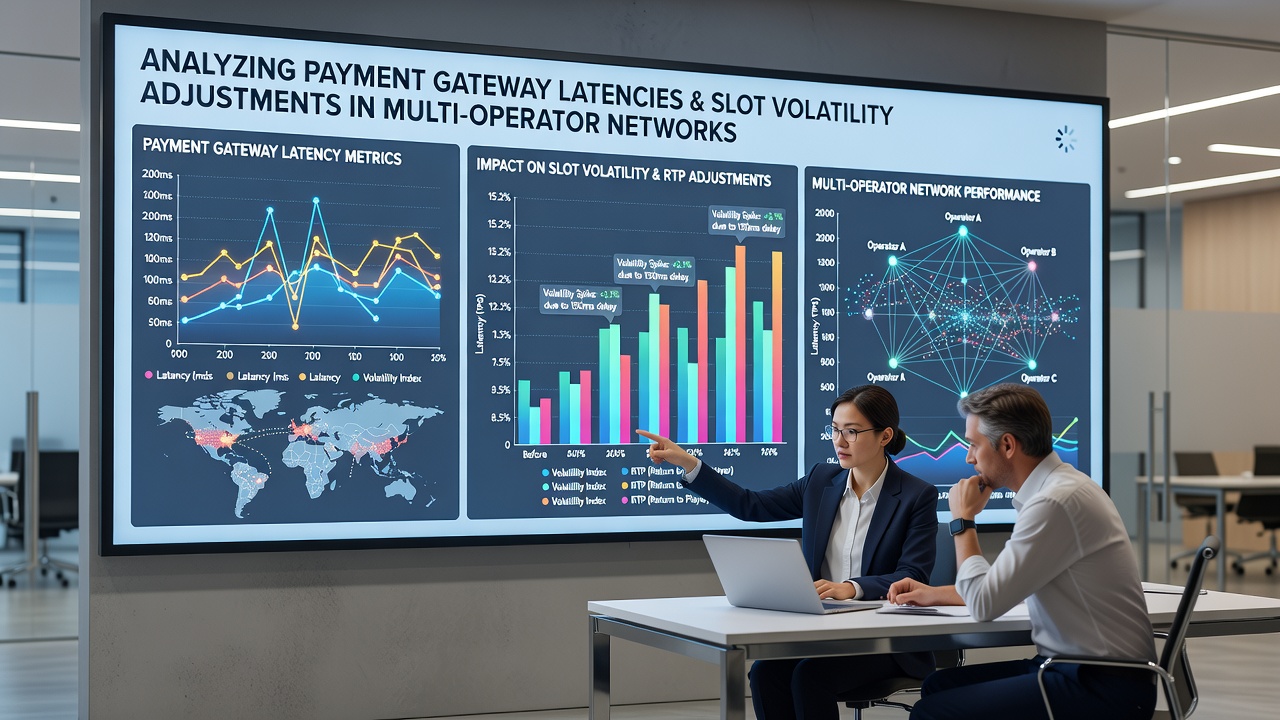
One documented instance involved a network linking operators in New Jersey and Pennsylvania where a 45-minute gateway slowdown in March 2026 led to automated volatility reductions in 28 percent of shared slot titles and subsequent monitoring confirmed that these changes restored session length averages to baseline levels within four hours of latency resolution.
Technical Integration and Compliance Considerations
Integration protocols between payment systems and game servers require continuous data exchange on transaction status and any interruption forces the volatility management layer to operate under conservative assumptions until full synchronization resumes. Industry reports from the European Gaming and Betting Association highlight that standardized latency thresholds adopted across participating networks help minimize unnecessary adjustments and operators adhering to these benchmarks report fewer compliance reviews related to game fairness parameters.
Device-level monitoring further refines these responses because latency measured at the player endpoint often differs from server-side figures and networks that incorporate endpoint data into their adjustment algorithms achieve more precise volatility tuning across diverse connection types.
Conclusion
Payment gateway latencies exert measurable influence on slot volatility adjustments within multi-operator networks through automated detection and recalibration processes that respond to transaction delays in real time. Data from 2026 across multiple regulatory regions demonstrates consistent patterns where extended processing times correlate with targeted volatility modifications designed to sustain operational stability and player engagement metrics. Continued monitoring by industry organizations and academic researchers will clarify the long-term effects of these interactions as networks expand and adopt newer payment technologies.