Shifting Eligibility Criteria for Progressive Jackpots Through Cross-State Data Agreements
Logan Frank · Jun 4, 2026
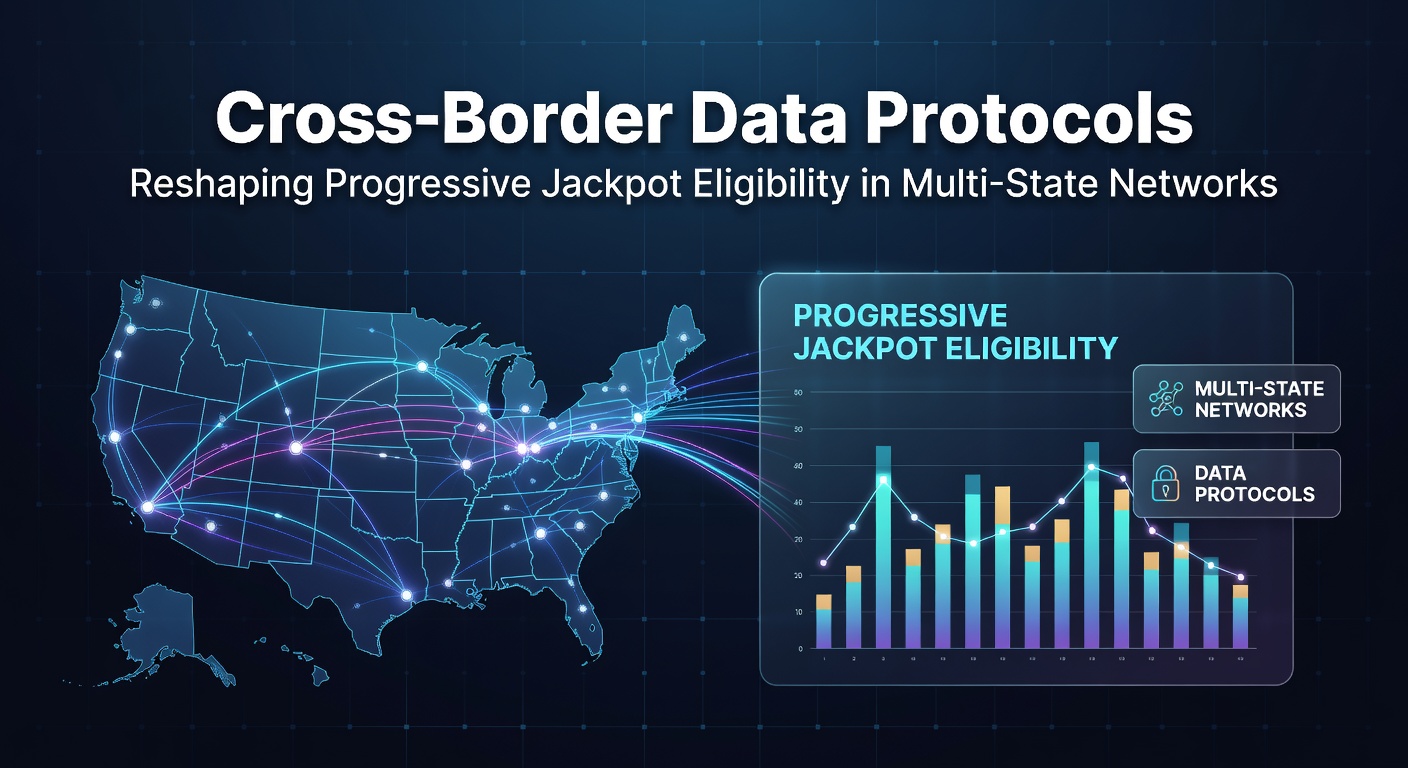
Shifting Eligibility Criteria for Progressive Jackpots Through Cross-State Data Agreements
Multi-state gaming networks rely on synchronized data protocols to manage progressive jackpot pools that span several jurisdictions at once. These systems pool contributions from players in different states yet must comply with each region's licensing requirements and eligibility standards. Data exchange frameworks have become central to determining who qualifies for a jackpot win when the prize triggers across borders.
Understanding Progressive Jackpot Structures in Interstate Networks
Progressive jackpots accumulate value from a percentage of each wager placed on connected machines or tables and the total grows until a player hits the required combination. In single-state operations this process stays straightforward but multi-state setups introduce layers of regulatory oversight that affect contribution tracking and payout authorization. Operators must route transaction data through secure channels that verify player location and account status before adding to the shared pool.
Eligibility hinges on whether a player's participation meets every participating state's rules at the moment of the bet. Cross-border protocols transmit real-time verification signals that confirm residency or account registration details and these signals decide if the wager counts toward the progressive meter or gets excluded from the calculation.
Data Protocols Driving Eligibility Changes
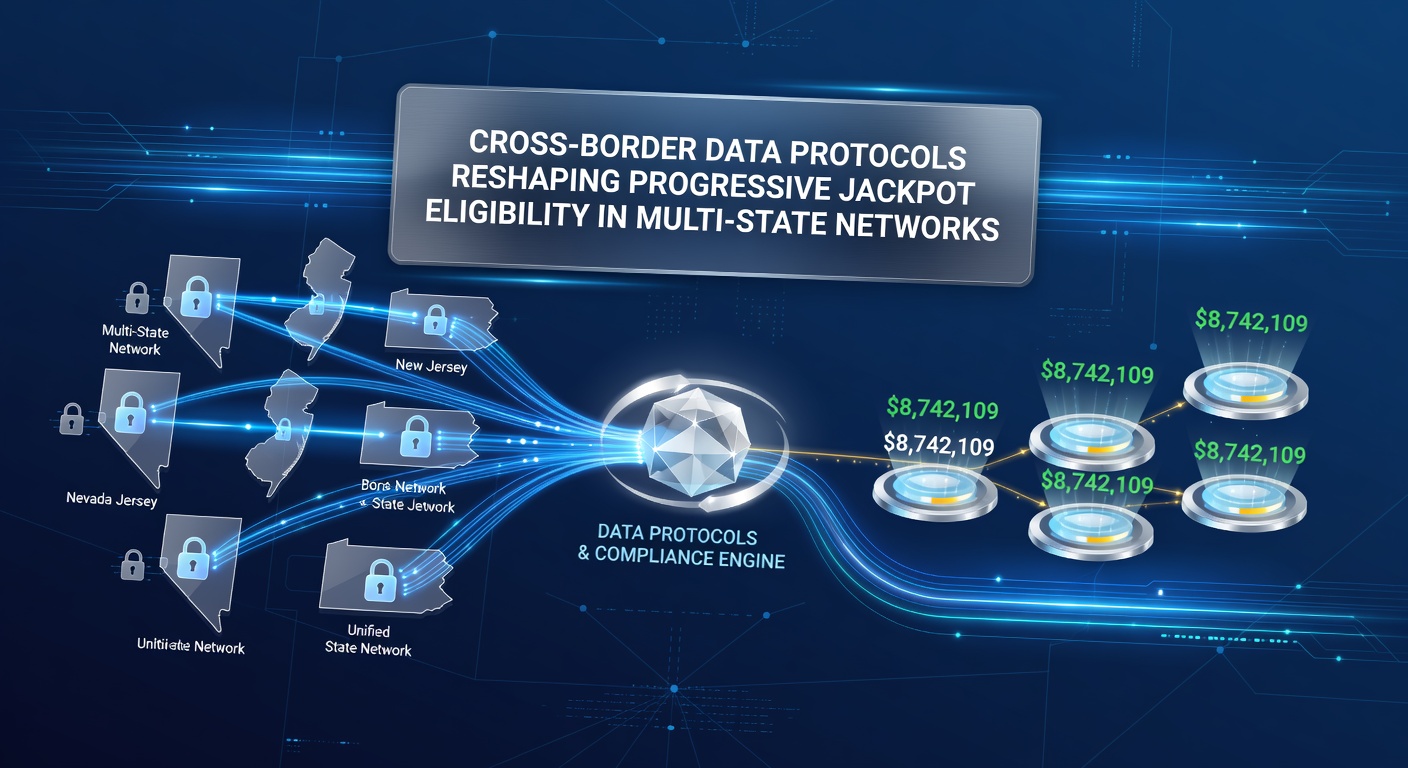
Standardized application programming interfaces now handle the bulk of eligibility checks between state-licensed platforms. These interfaces pull player data from centralized databases maintained by each regulatory body and return clearance flags within milliseconds. When protocols detect a mismatch such as a player located outside an approved state the system blocks that wager from incrementing the jackpot total.
Research indicates that adoption of these protocols accelerated after 2024 with several networks completing upgrades by early 2026. In June 2026 additional synchronization requirements took effect in networks linking operators in Pennsylvania, New Jersey, and Michigan which tightened location verification steps and altered how partial contributions from border players factor into final prize amounts.
Key Protocol Components
- Real-time geolocation pings sent to state servers before each wager processes
- Encrypted player identity tokens that mask personal details while confirming licensing status
- Automated exclusion rules that prevent ineligible wagers from reaching the progressive meter
- Reconciliation logs shared among network participants at the end of each gaming day
One study conducted by researchers at the University of Nevada Reno examined transaction logs from a three-state network and found that stricter protocol enforcement reduced ineligible contributions by 18 percent over a six-month period. The same analysis showed that payout authorization times lengthened by an average of 12 seconds because additional verification layers now run before any jackpot award receives final approval.
Regulatory Oversight and Compliance Requirements
State gaming commissions require operators to submit protocol audit reports on a quarterly basis and these documents detail every instance where an eligibility flag changed a wager's status. The New Jersey Division of Gaming Enforcement publishes aggregated statistics that track how many wagers get filtered out each month due to cross-border verification failures. Observers note that similar reporting standards appear in regulatory updates from the Nevada Gaming Control Board and the Michigan Gaming Control Board.
Industry groups such as the American Gaming Association have issued guidance documents that outline best practices for maintaining data integrity across multi-state connections. These recommendations emphasize redundant verification nodes and regular penetration testing of the communication pathways that carry eligibility data. Networks that follow the guidance report fewer disputes when a jackpot triggers and multiple players from different states claim participation.
Implementation Examples Across Networks
A network operating in the Northeast completed its protocol overhaul in March 2026 and immediately adjusted eligibility rules for players whose accounts showed recent activity in two states simultaneously. The change required those accounts to complete an additional address confirmation step before any progressive contribution counted. Data from the first three months after implementation revealed that overall pool growth slowed by 7 percent while the frequency of disputed claims dropped noticeably.
Another arrangement spanning Midwestern states introduced a daily reconciliation process that compares meter readings against submitted wager logs. When discrepancies appear the protocol automatically withholds teh affected portion of the pool until operators resolve the mismatch. This step has become standard in several agreements signed since late 2025.
Conclusion
Cross-border data protocols continue to define how progressive jackpot eligibility works inside multi-state networks. Verification signals location checks and automated exclusion rules now determine which wagers add value to shared prize pools and which ones remain separate. Regulatory bodies in multiple states track these processes through required reports while operators adjust internal systems to meet evolving synchronization standards. The result appears in more precise eligibility determinations that reflect each jurisdiction's licensing boundaries at the exact moment a player places a bet.